Aviation & Aerospace | Biomanufacturing | Brain-Computer Interface | Embodied Artificial Intelligence | Hydrogen Energy | Integrated Circuits | Intelligent Connected NEVs | Low Altitude Economy | Nuclear Fusion | Quantum Technology | Robotics | 6G
Aviation & Aerospace | Biomanufacturing | Brain-Computer Interface | Embodied Artificial Intelligence | Hydrogen Energy | Integrated Circuits | Intelligent Connected NEVs | Low Altitude Economy | Nuclear Fusion | Quantum Technology | Robotics | 6G

China’s “Project 2030”

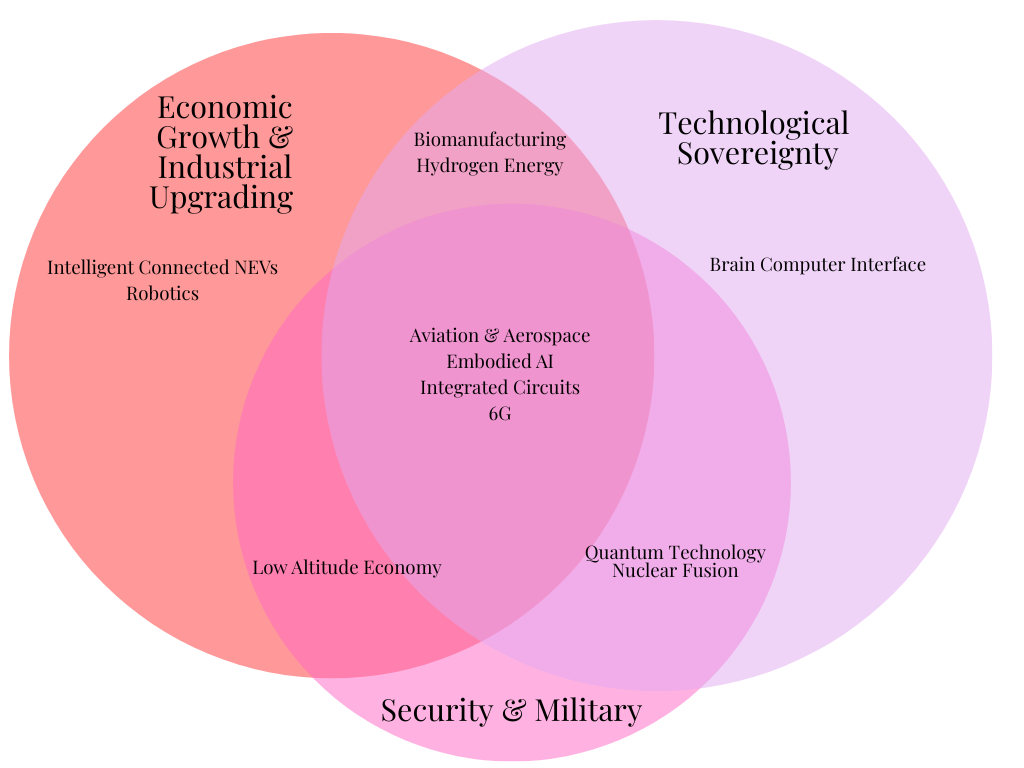
In China's 14th Five-Year Plan, the Chinese government aims to nurture approximately 14 strategic industries across three categories: emerging pillar industries (a mature subset of strategic emerging industries capable of near-term economic contribution), strategic emerging industries (industries with varying development timelines), and industries of the future (medium- to long-term investments requiring over 5 years before they can become strategic emerging industries).
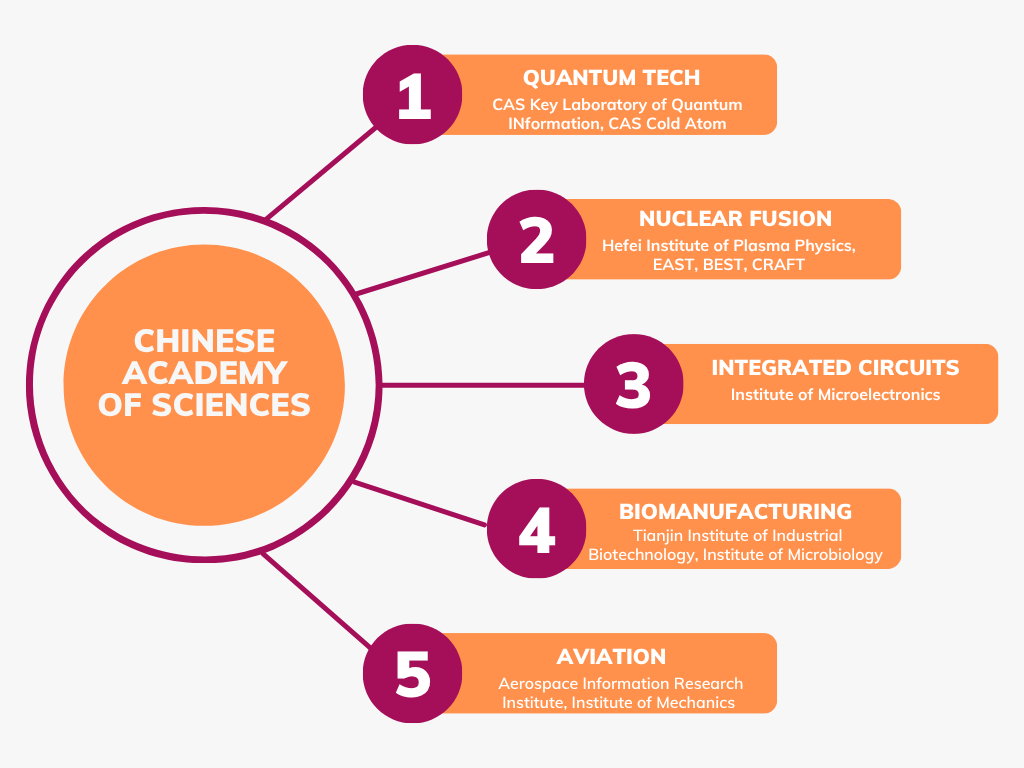
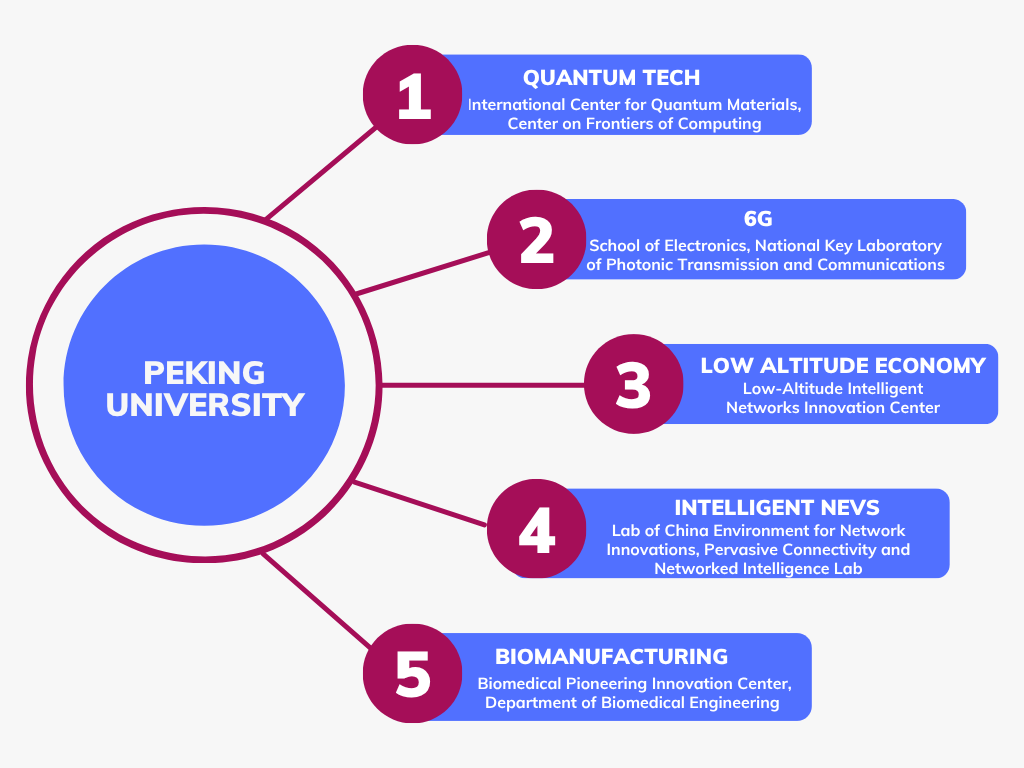
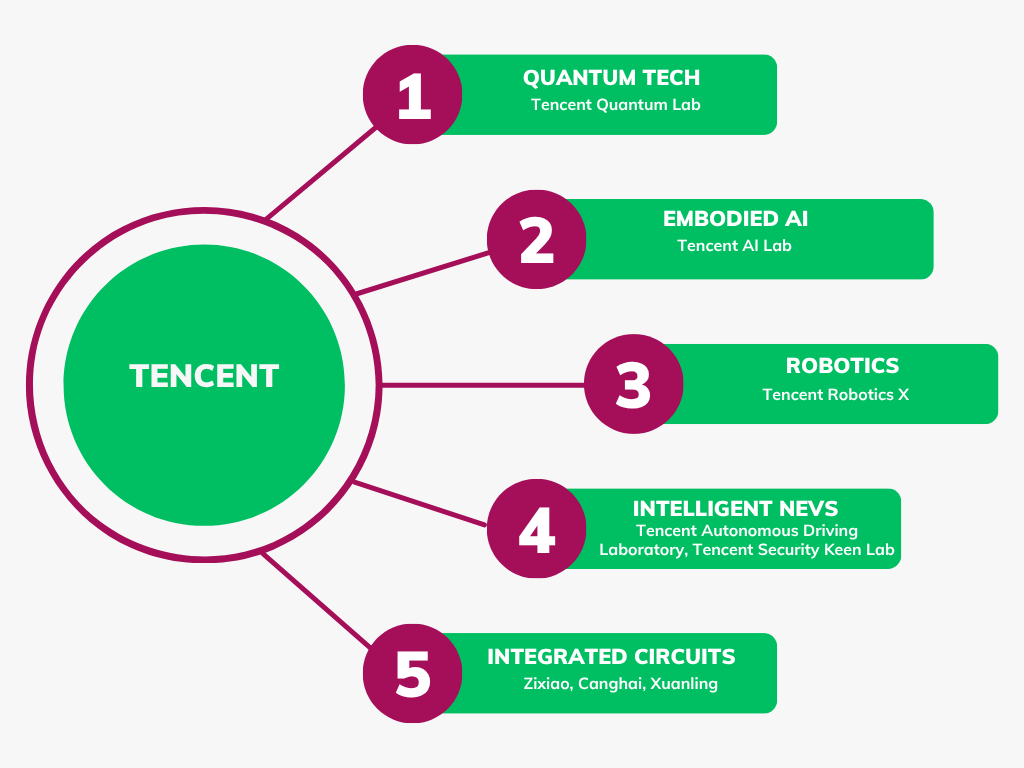
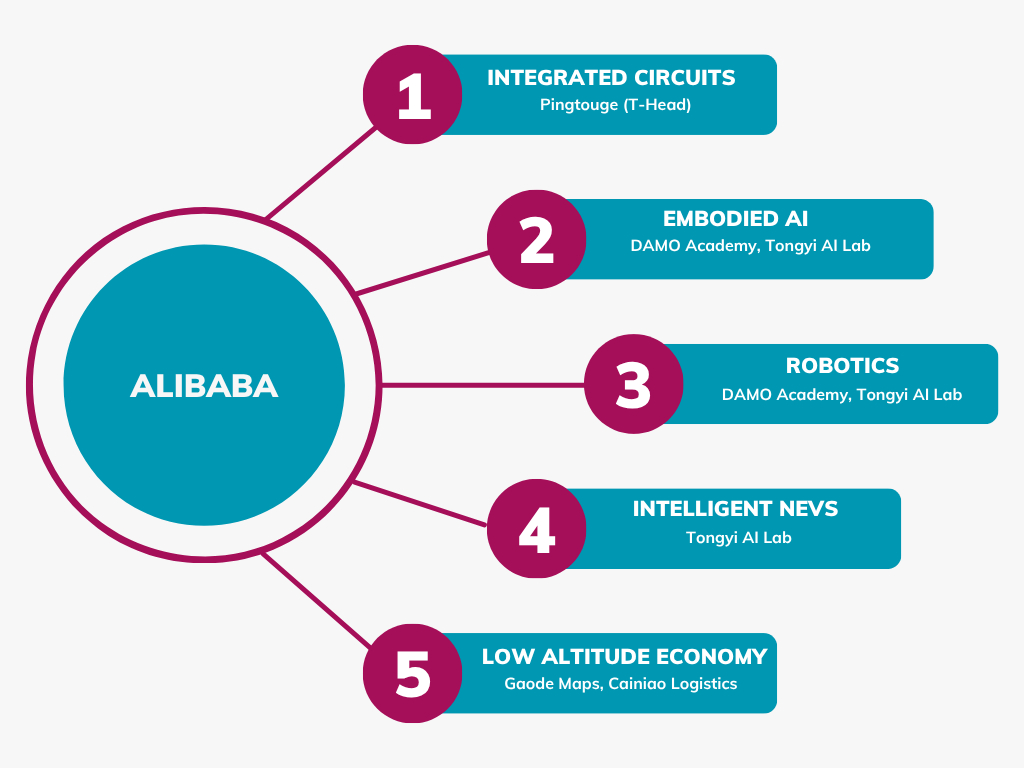
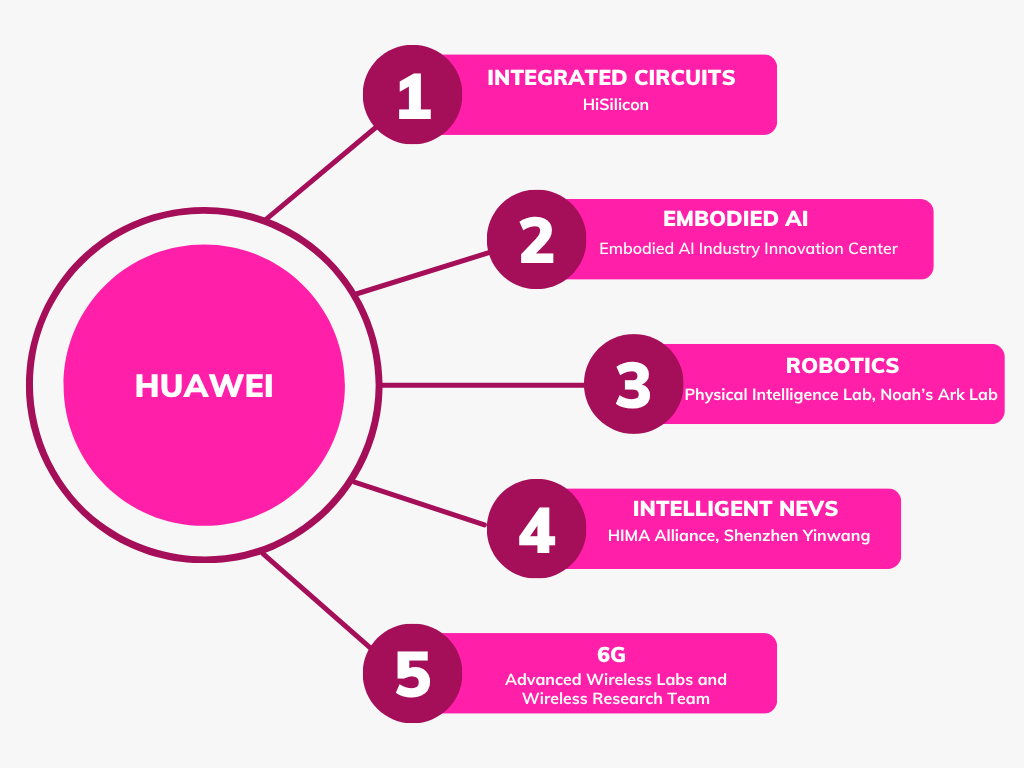
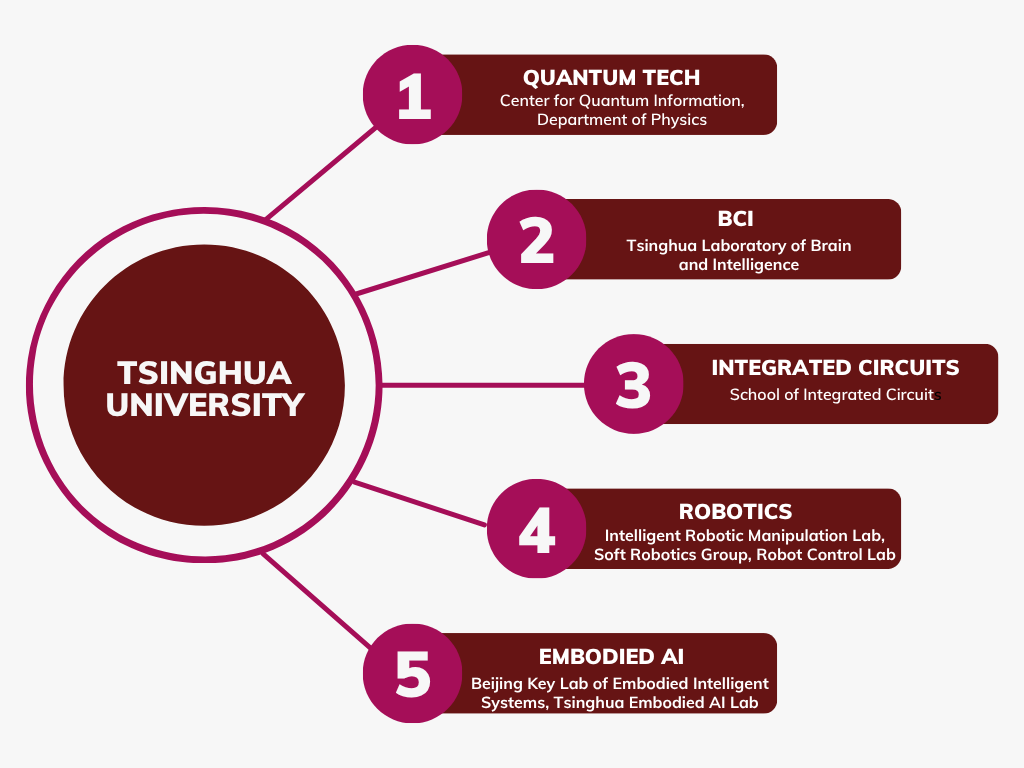
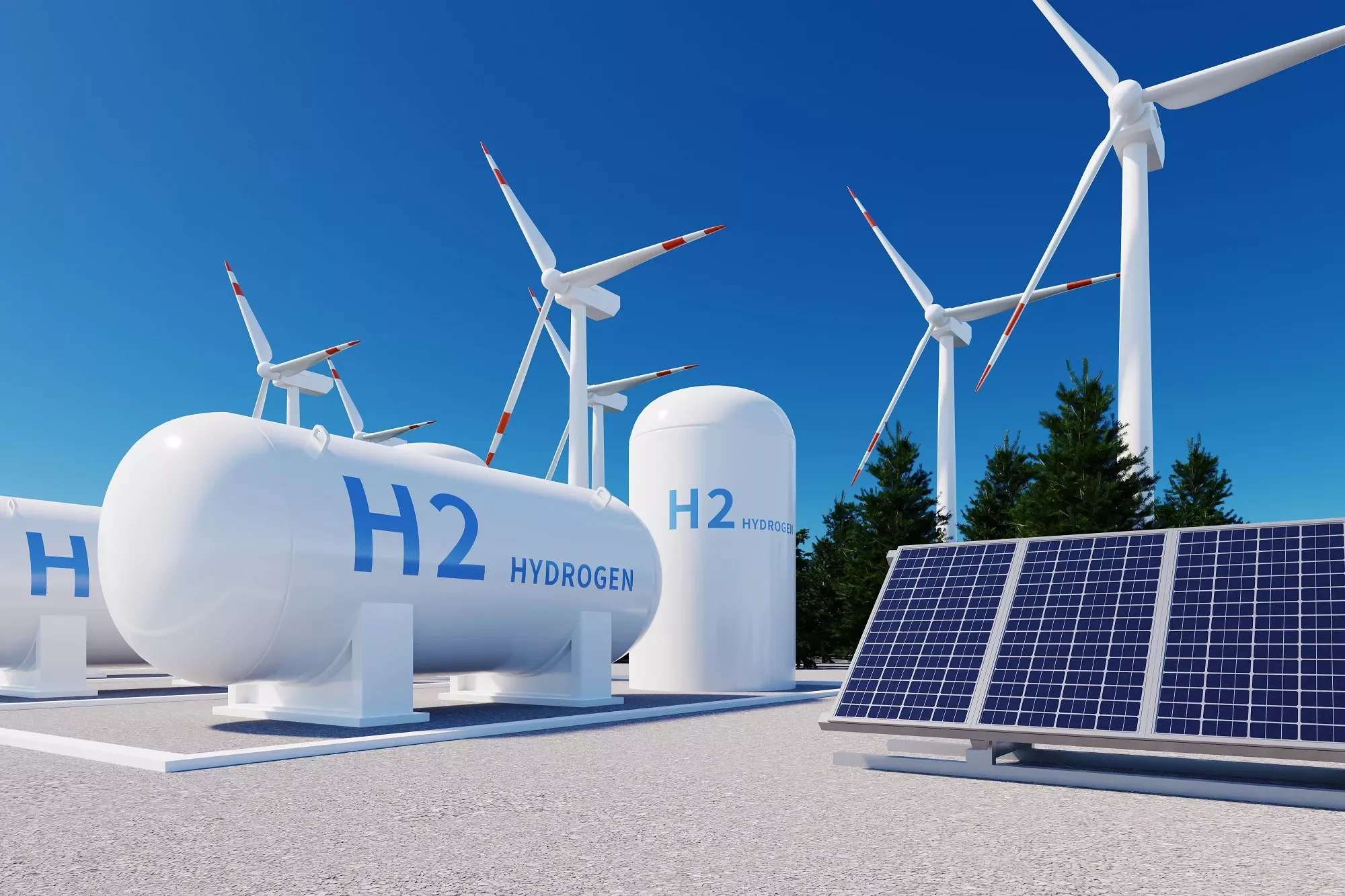
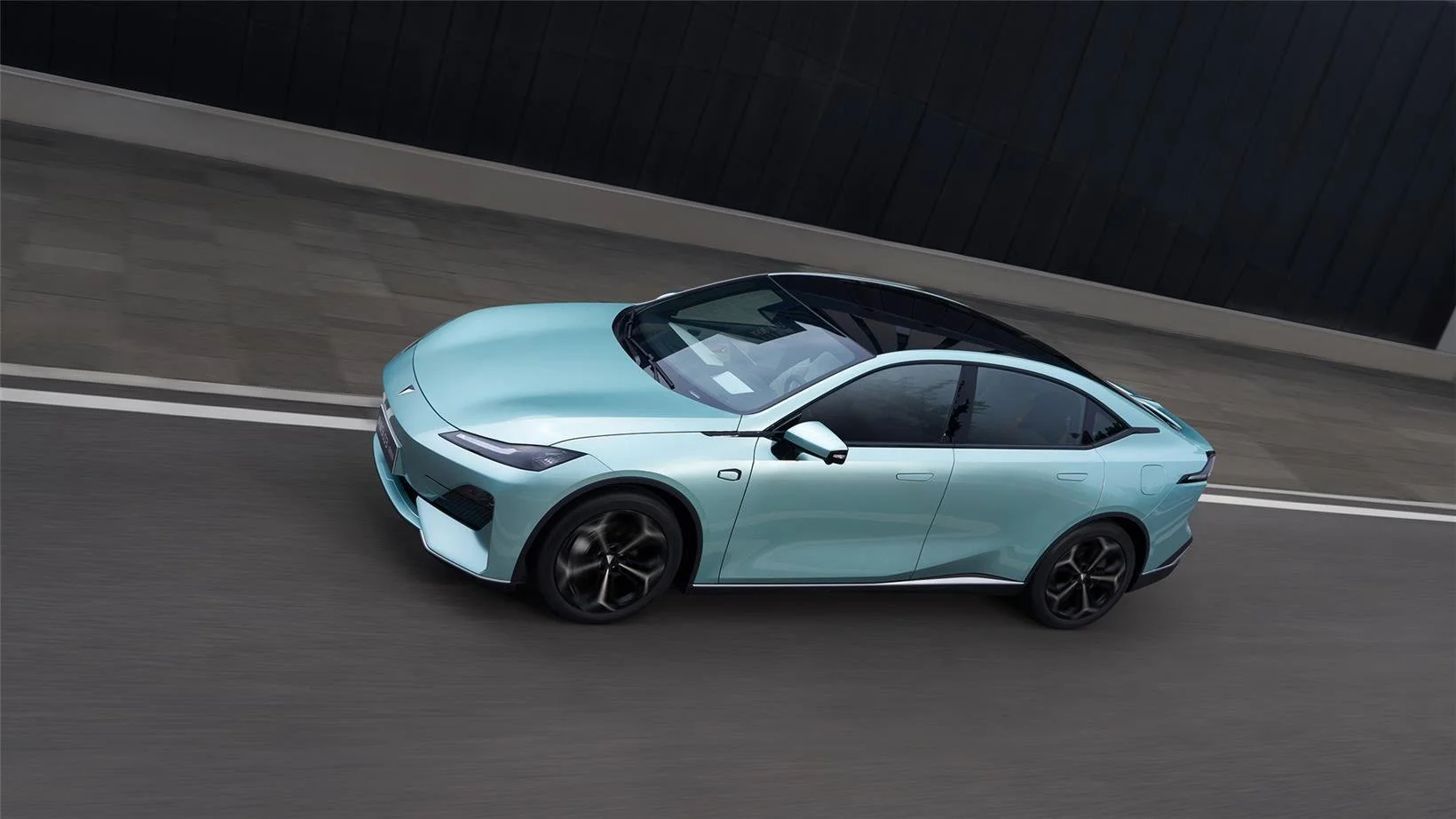
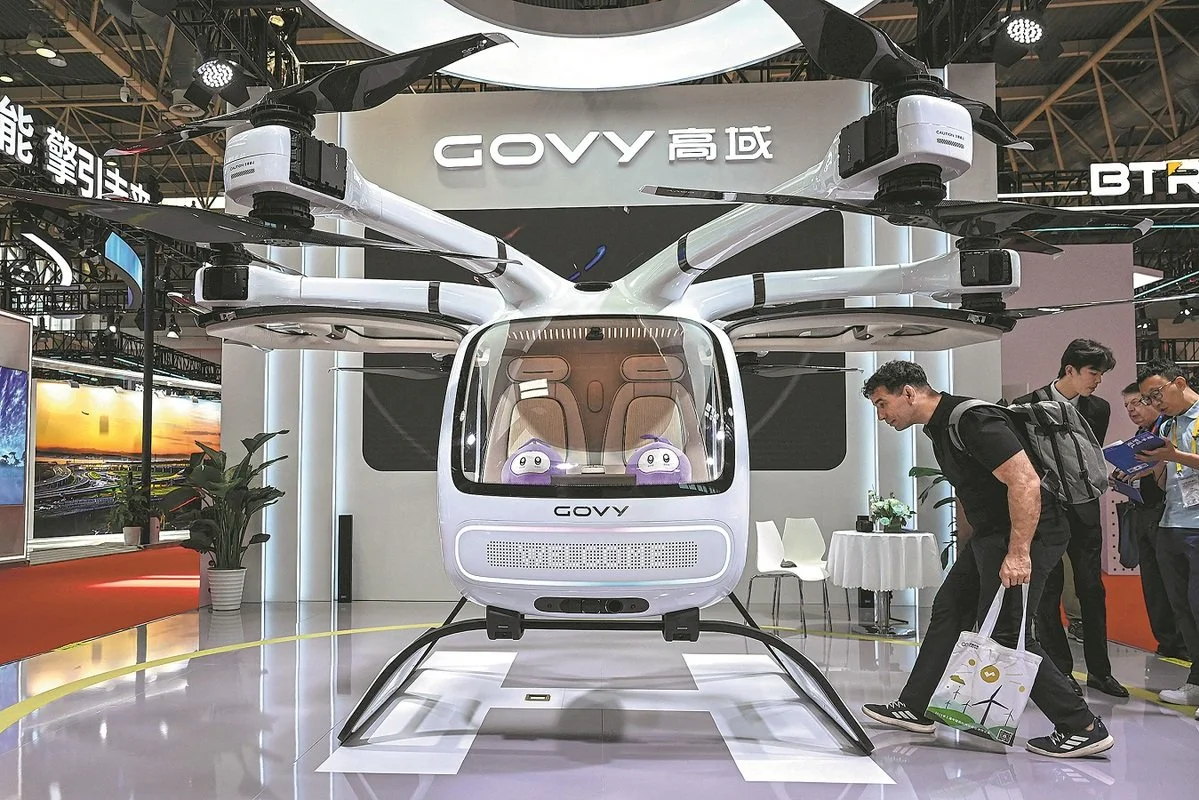
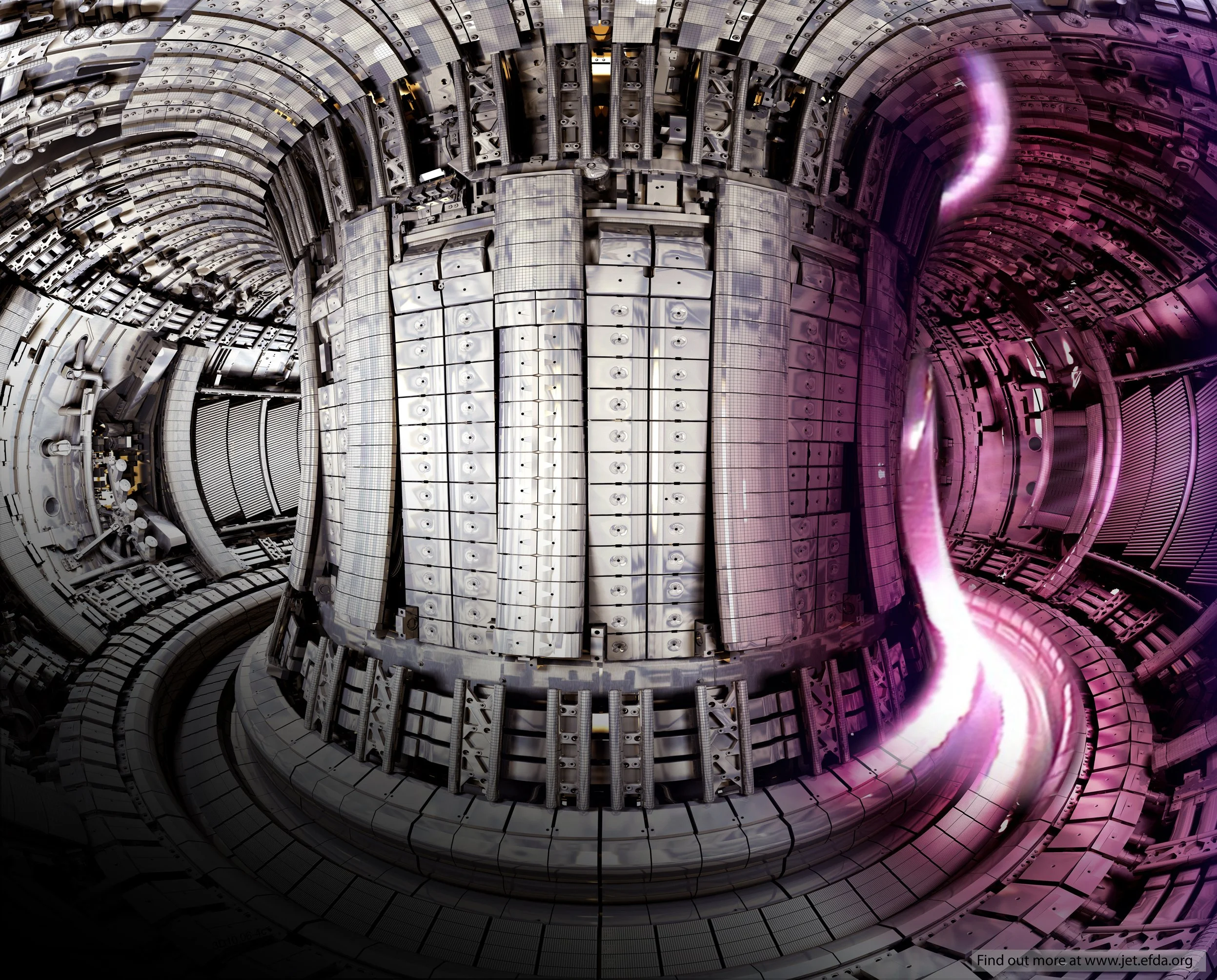
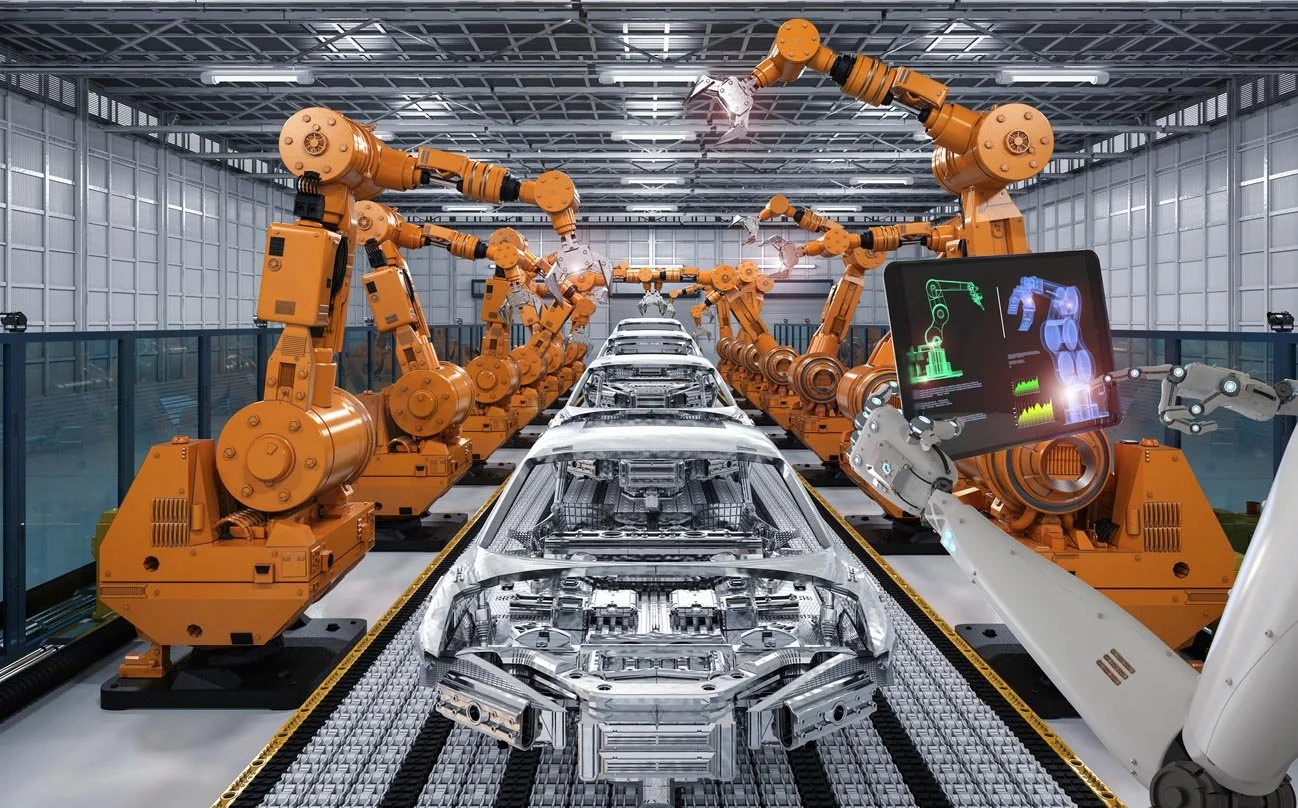
12 specific industries from the Five-Year Plan stand out as the most lucrative and consequential from a geopolitical and economic perspective . These include 5 strategic emerging industries (integrated circuits, aviation and aerospace, the low-altitude economy, intelligent connected NEVs, and robotics) and 7 future industries (quantum technology, embodied artificial intelligence, brain-computer interfaces, 6G technology, biomanufacturing, hydrogen energy, and nuclear fusion).
Billions of dollars in subsidies, public investment, and other forms of industrial policy will be implemented over the next 5 years. In light of the growing international interest in China's technology and industrial policy, the CBCRT has endeavored to identify the companies and institutions most likely to receive government support or to make major breakthroughs in each of these 12 industries. By focusing on specific firms, anticipated advancements, and key obstacles, we aim to decipher China's industrial policy for foreign audiences.