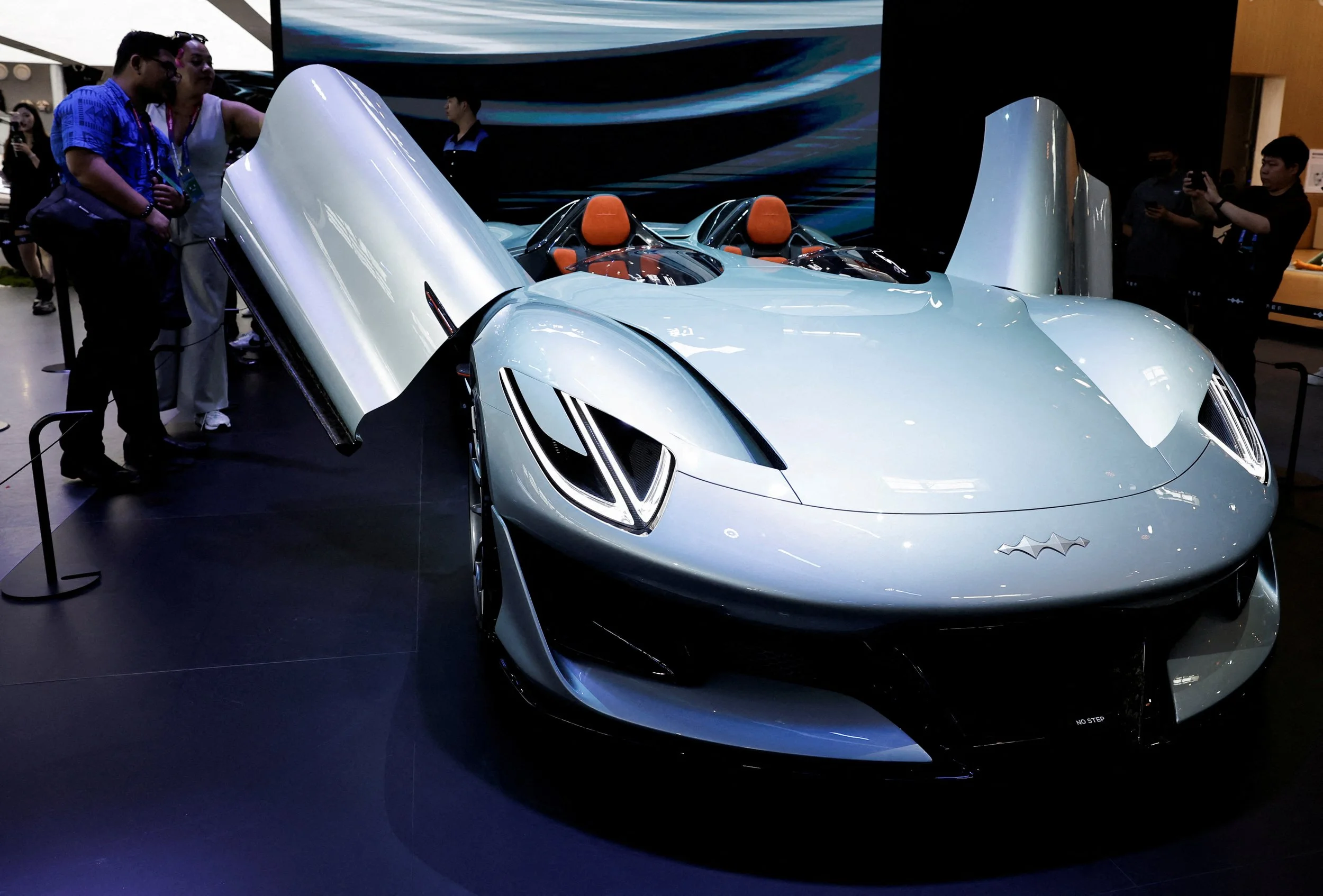
Huawei
Location: Shenzhen, Guangdong
Subsidiaries/Affiliates: Shenzhen Yinwang, HIMA Alliance
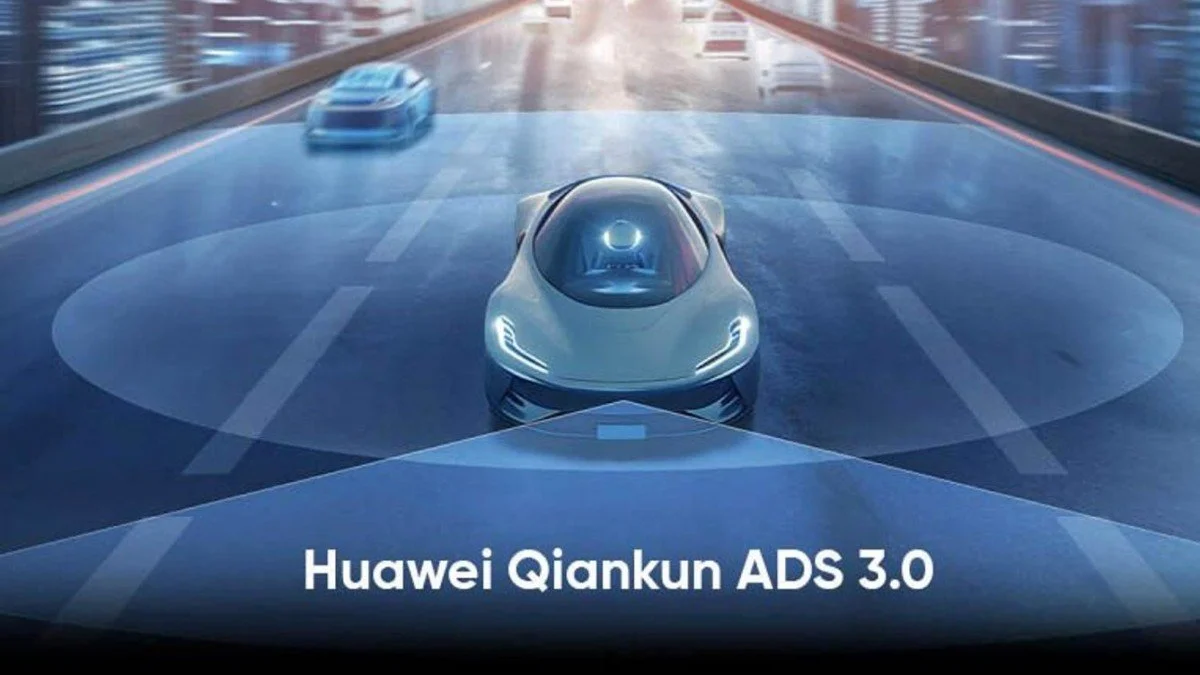
Summary: Huawei’s subsidiary, Shenzhen Yinwang, developed the “Harmony” and Qiankun ADS self-driving and intelligent cockpit software, which can automatically park cars and handle highway traffic autonomously while pulling over the car for safety if the driver is incapacitated. Huawei’s automobile software is used over 80 EV models and dozens of brands in China, including the HIMA Alliance that is co-developed with Huawei, which includes the best-selling “AITO” brand of luxury EVs. Huawei does not manufacture cars itself but aims to supply the “Android OS” for EVs. Due to the popularity of Huawei’s self-driving software, it is regarded as the leader in assisted driving in China and by extension the “intelligent connected NEV” market (as compared to Baidu’s fully autonomous robotaxis).
BYD
Location: Shenzhen, Guangdong
Subsidiaries/Affiliates: BYD Semiconductor
Summary: As the world’s largest EV company, and arguably the most vertically integrated automaker, BYD is better positioned than any other brand to launch self-driving EV by developing its own software. BYD has developed its own “God’s Eye" autonomous driving AI, and it has pledged to invest over 100 billion RMB in intelligent driving software R&D. In May 2026, the company became the first EV company to provide full damage coverage for its God’s Eye intelligent driving and intelligent parking systems, while also unveiling China’s first 4nm autonomous driving chip made by its semiconductor subsidiary. BYD also announced that its God’s Eye-B Intelligent Driving System LiDAR can be equipped for all its models, which is notable as most of BYD’s EVs are much less expensive than competing EVs.