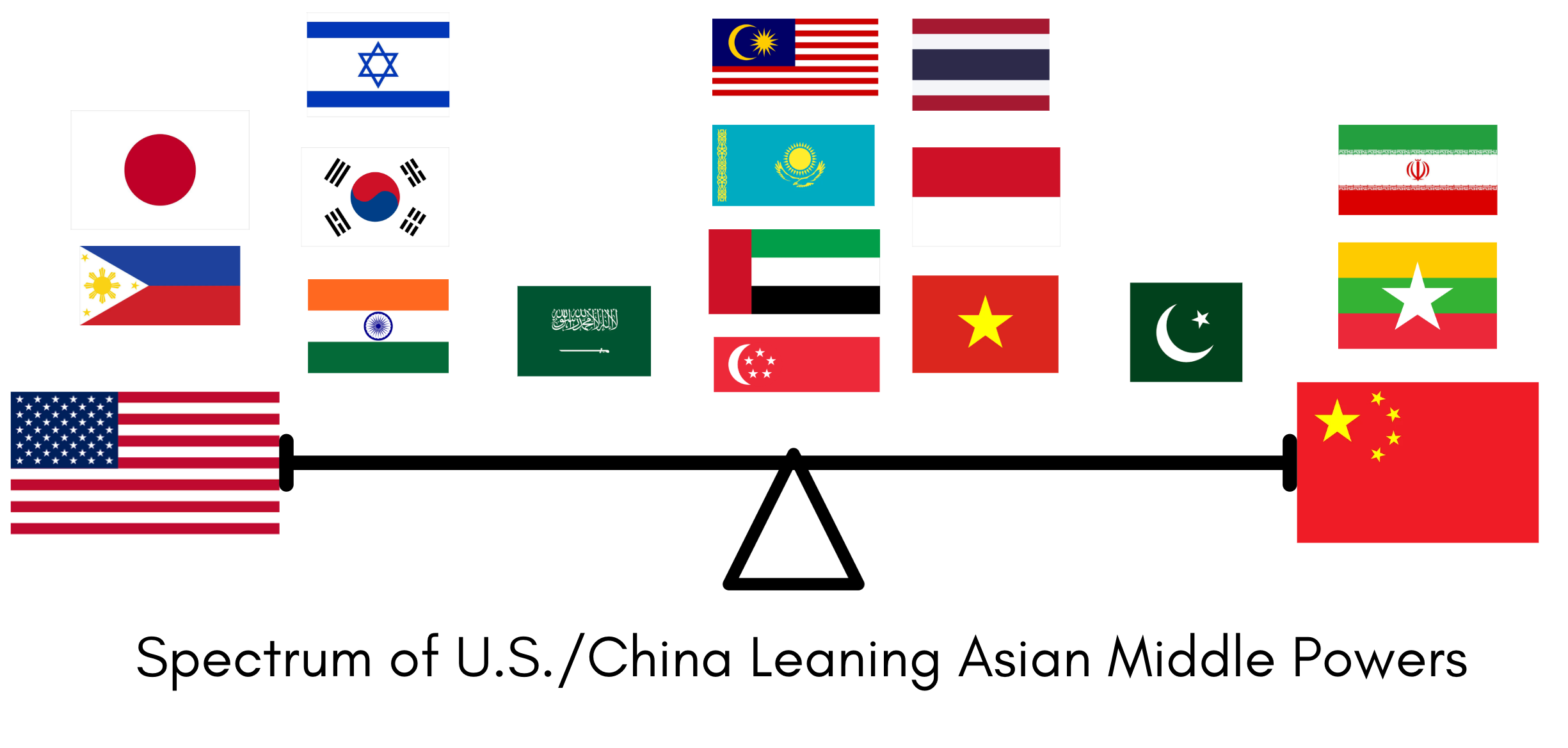
The Asia Balanced Relations Index (ABRI) classifies 16 middle-power countries in the Asia-Pacific region based on their level of "balanced relations" with the world's strongest powers, namely China and the U.S. Russia is excluded from the ABRI as it is an aspiring great power, while others are excluded due to their small size or lack of geopolitical relevance. Countries are evaluated based on the extent to which they exhibit flexibility, autonomy, and complementarity in their foreign relations with the great powers, across both security and trade dimensions. The purpose of the ABRI is not to rank Asian middle powers based on national strength or wealth, but rather to rank them based on the contributions of their foreign policy to their national interests. Highly Balanced
Highly balanced countries all possess strong domestic capacity, diversified relationships, friction management, and strategic autonomy, which enable them to enjoy positive security/trade relations with the U.S. and China without over-reliance.
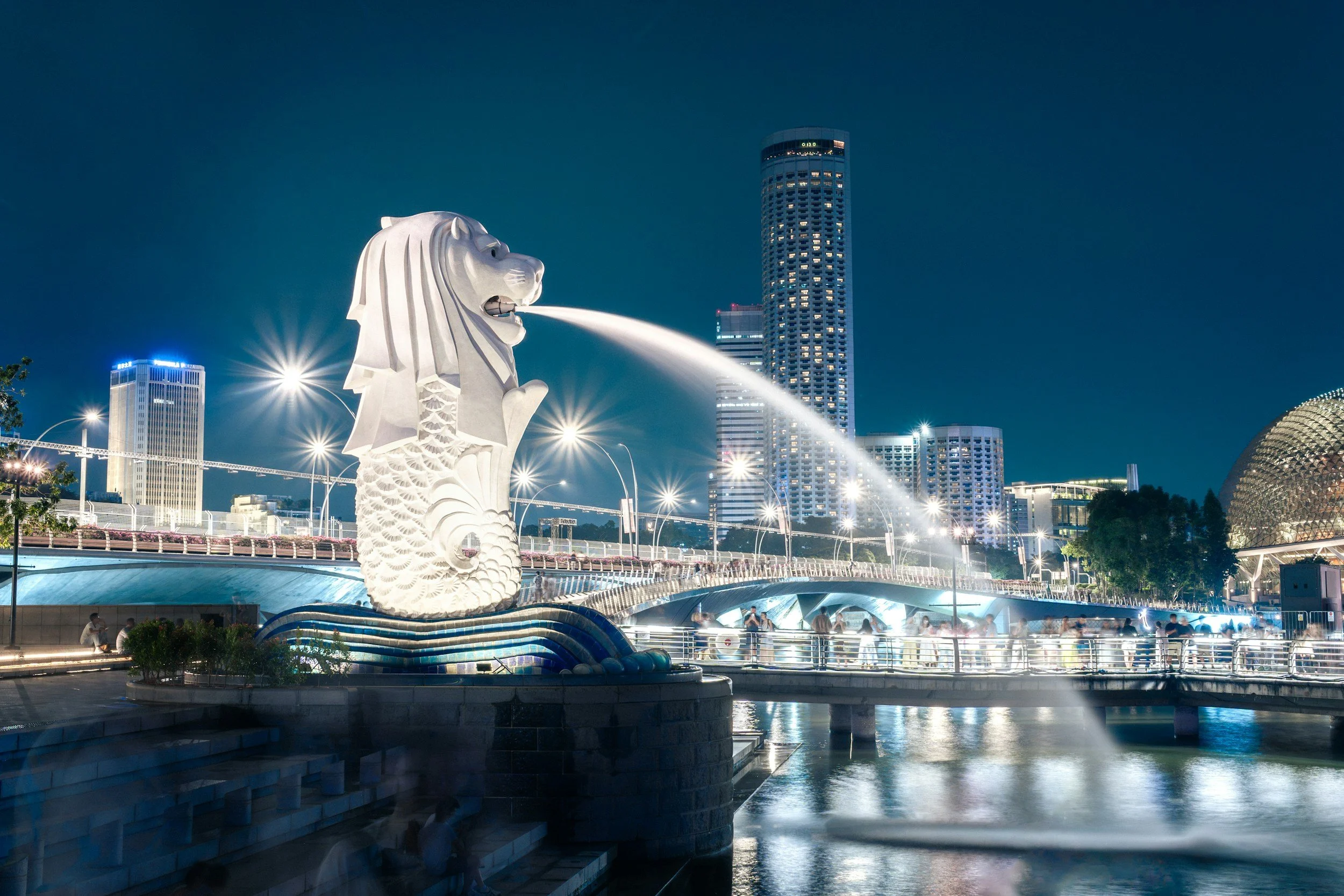
Singapore has excellent relations and deep economic ties with China while simultaneously serving as a Major Security Cooperation Partner for the U.S.
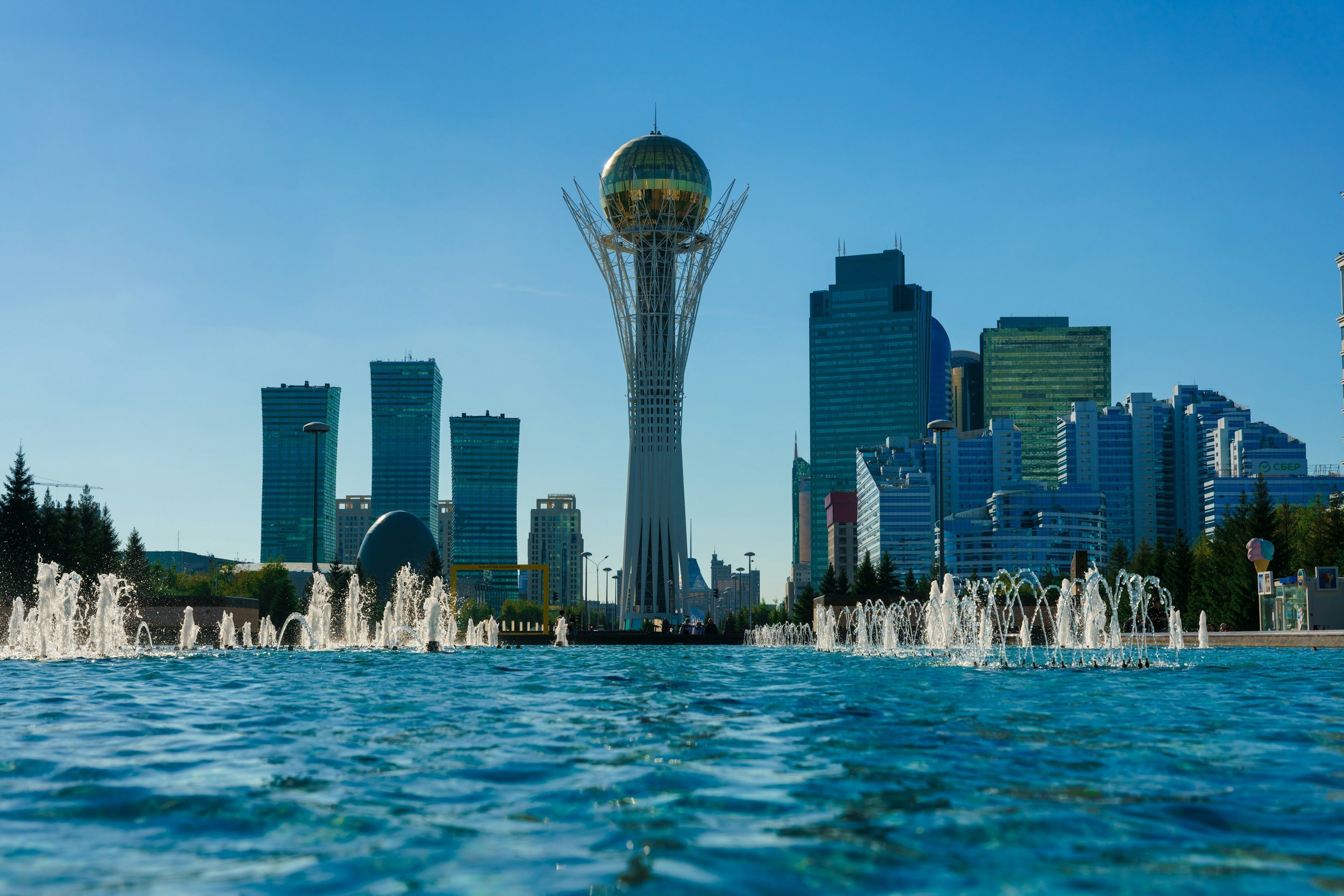
Kazakhstan cooperates with Russia, China, and the West, and hosts both Chinese Belt and Road infrastructure and significant U.S. investment in critical minerals and energy.
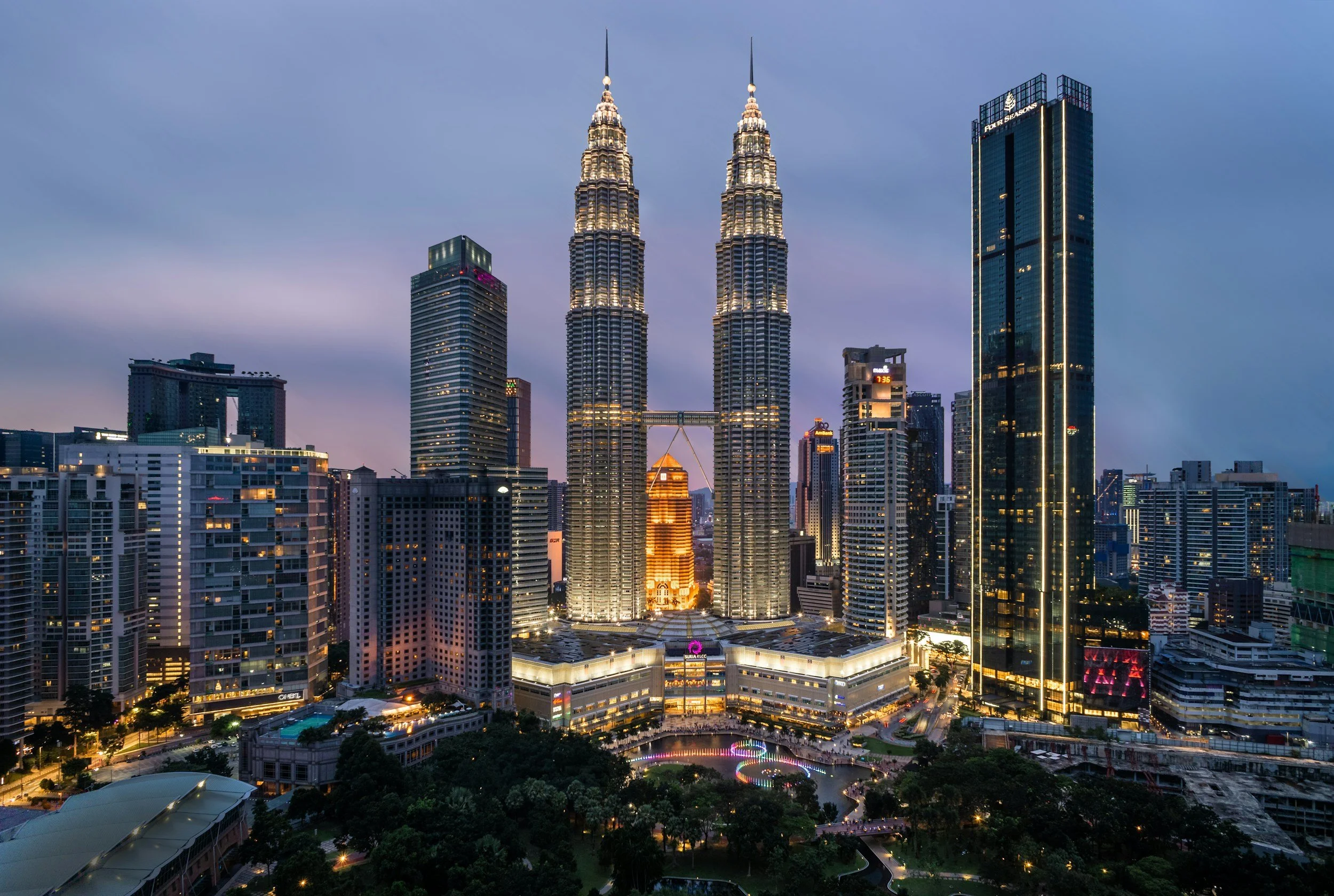
Malaysia simultaneously hosts U.S.-linked advanced semiconductor firms and Chinese-linked operations while positioning itself as a critical node in global tech supply chains.
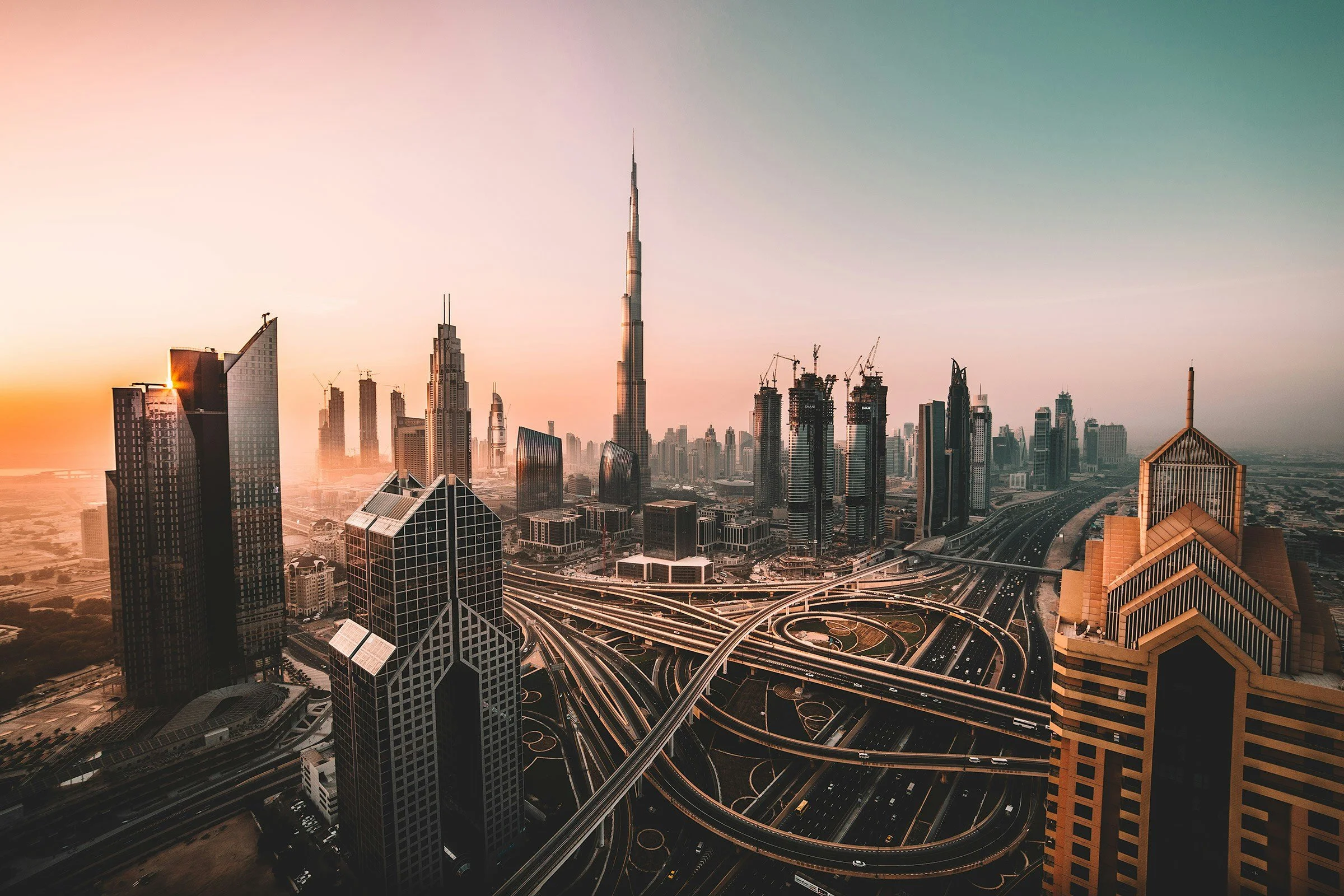
United Arab Emirates is a global trade, energy, and tech hub that has strong economic ties with China while benefiting from U.S. security deterrence and tech partnerships.
Somewhat Balanced
Somewhat balanced countries are actively hedging between the U.S. and China to maintain neutrality, but they remain reliant to some extent on one power due to structural vulnerabilities such as tariffs, territorial disputes, and political instability,
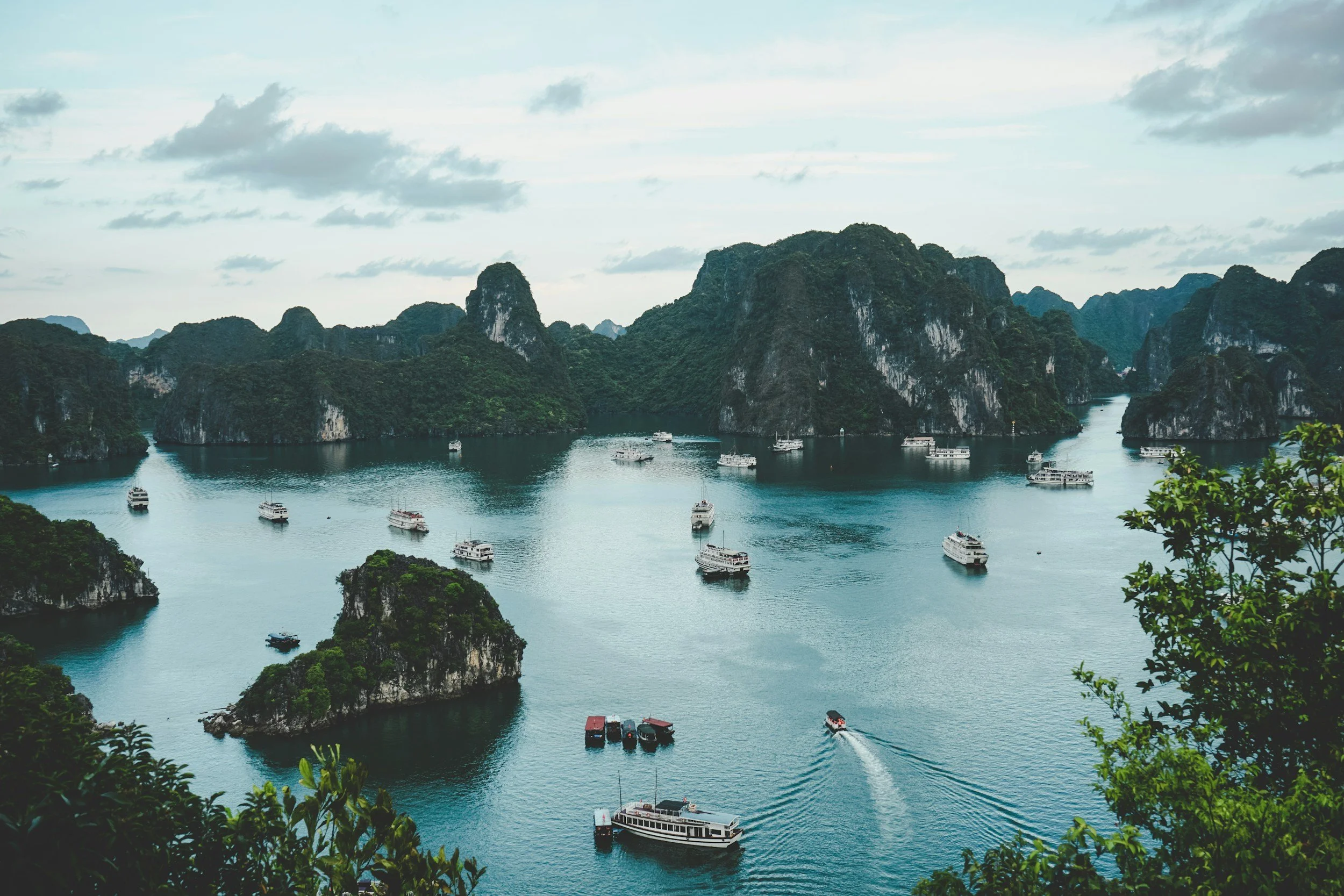
Vietnam’s manufacturing industry is vulnerable to U.S. tariff pressures; its ideological affinity and geographic proximity to China also leads to a degree of China alignment.
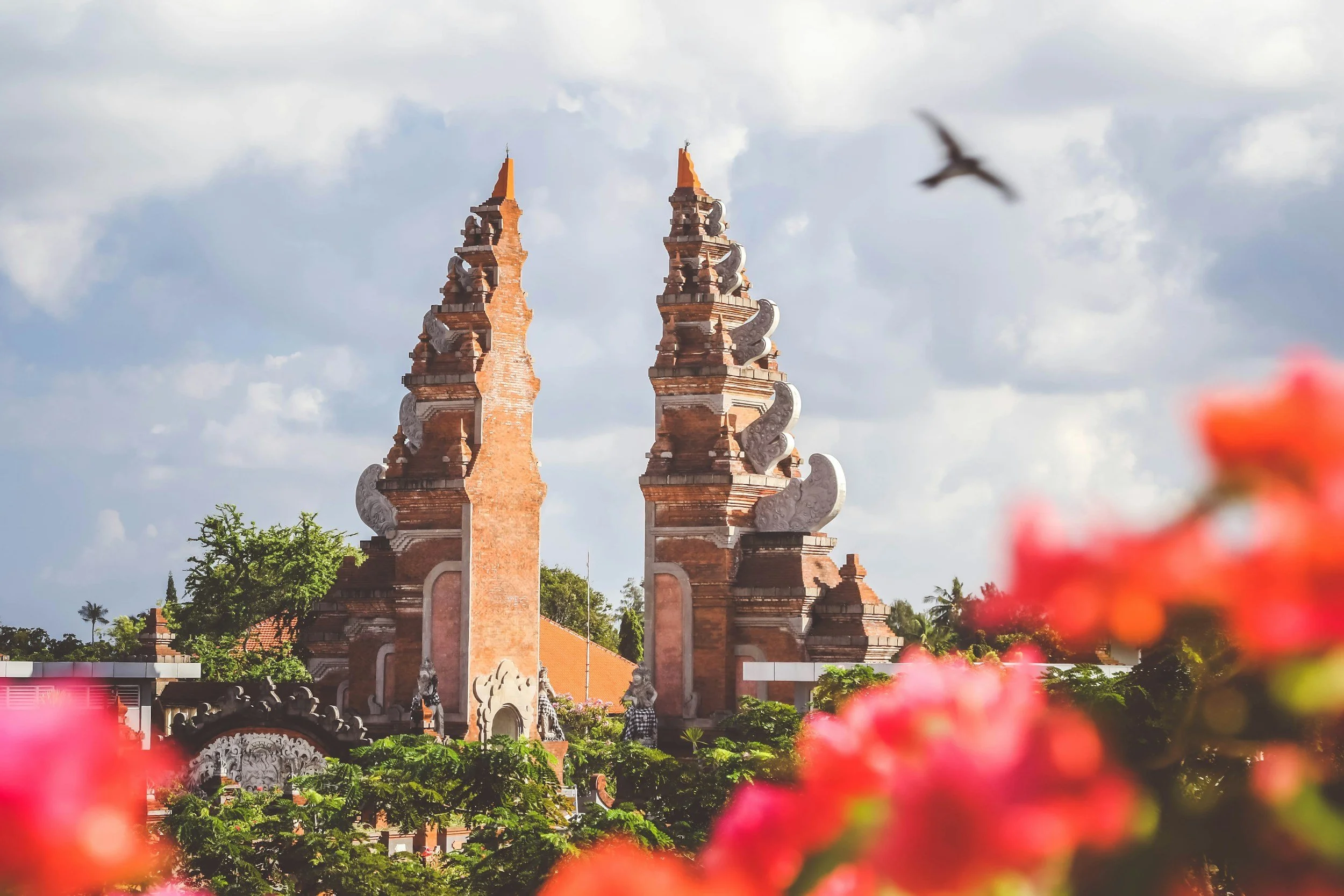
Indonesia has economic affinity with China and military ties with the U.S. and Japan, but is increasingly seen in the West as drifting to China via the Belt and Road initiative.
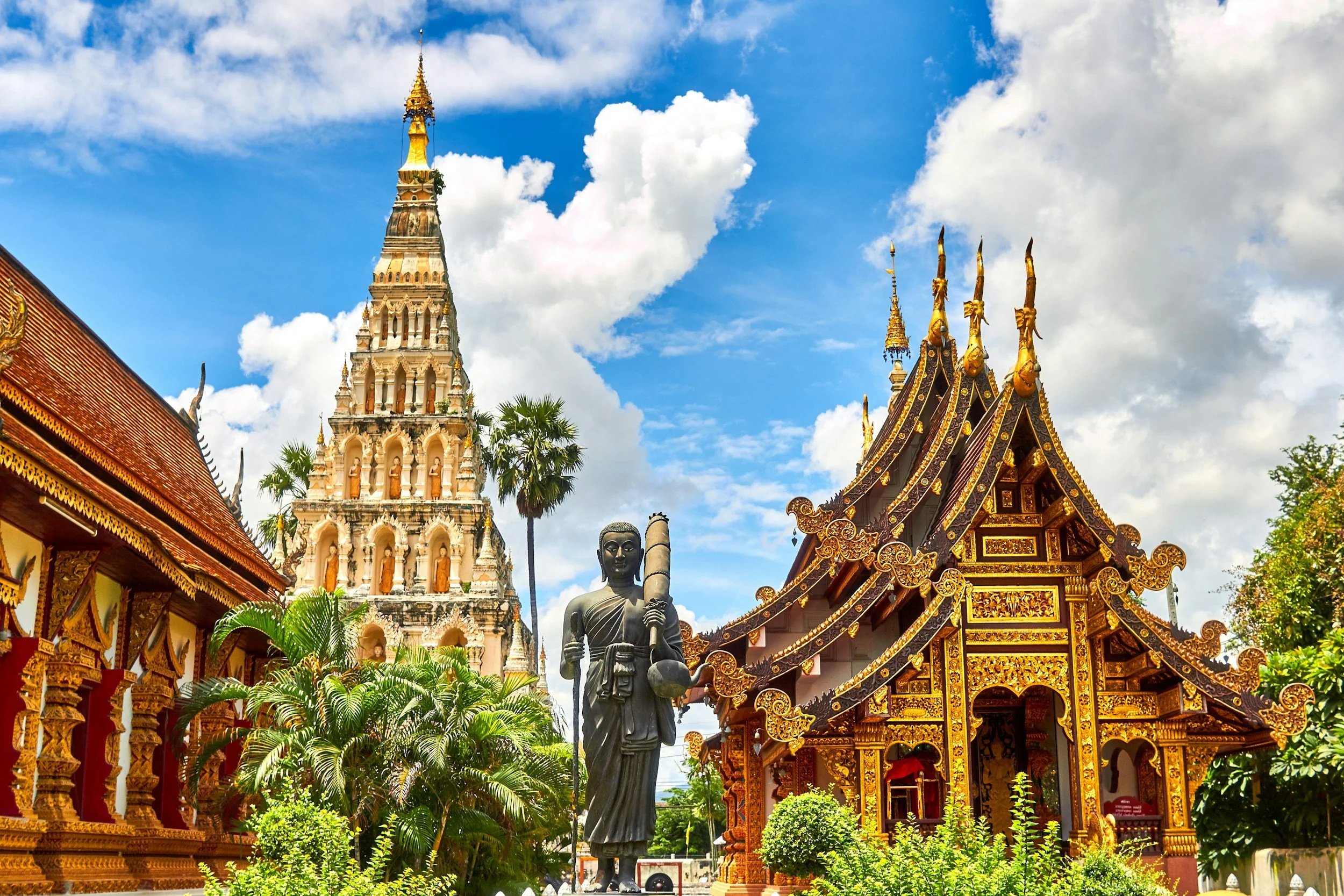
Thailand’s efforts to balance security cooperation with the U.S. and trade ties with Beijing have not helped address slow growth, domestic instability and border conflicts.
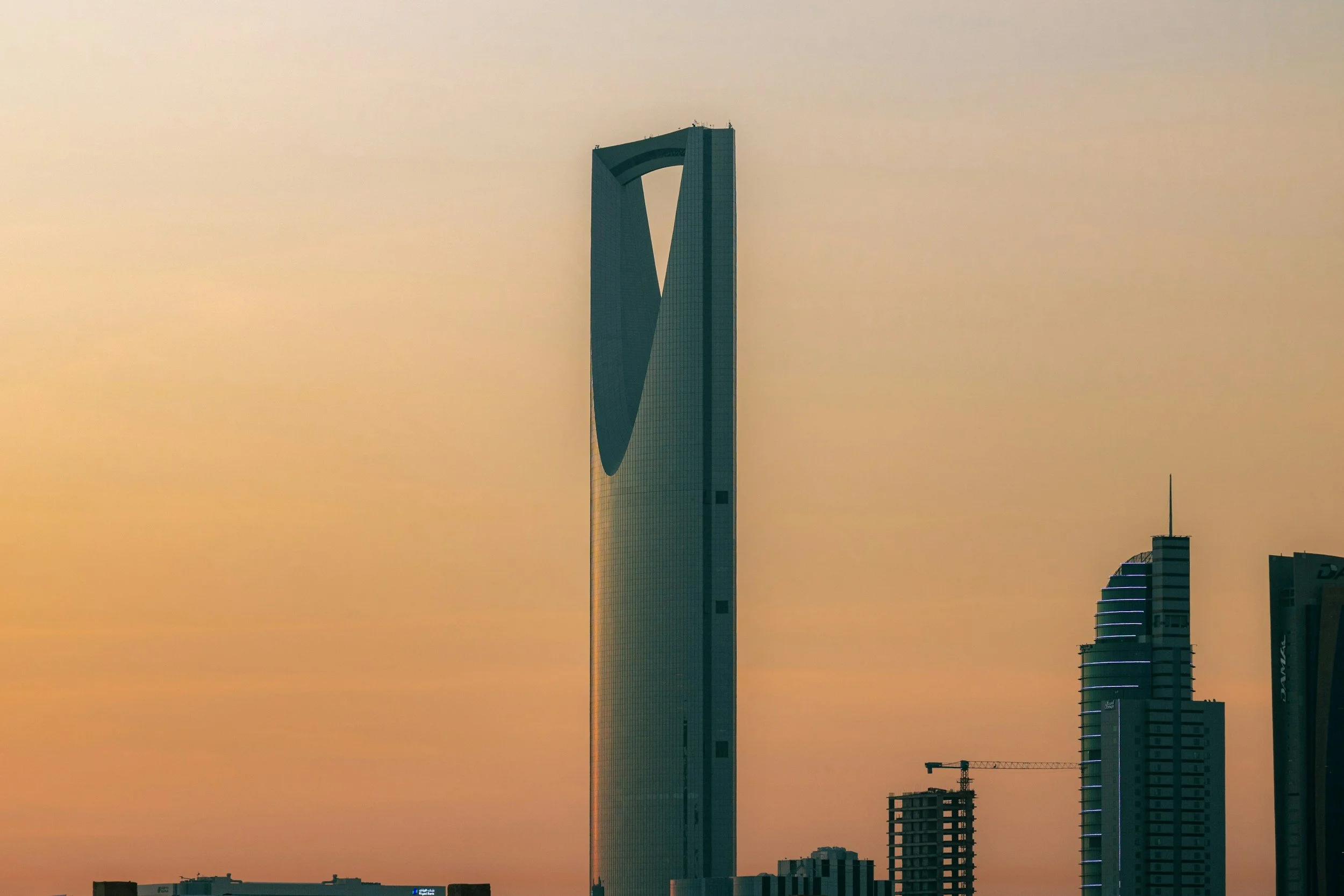
Saudi Arabia is similar to the UAE with respect to the U.S. and China except that it is more reliant on the U.S. for security, which has now been exposed during the Iran War.
Somewhat Imbalanced
Somewhat imbalanced countries are all deeply aligned with or antagonistic to the U.S. or China in some respect, which prevents them from achieving balanced relations even as they try to maintain strategic autonomy through diversification in areas like trade.
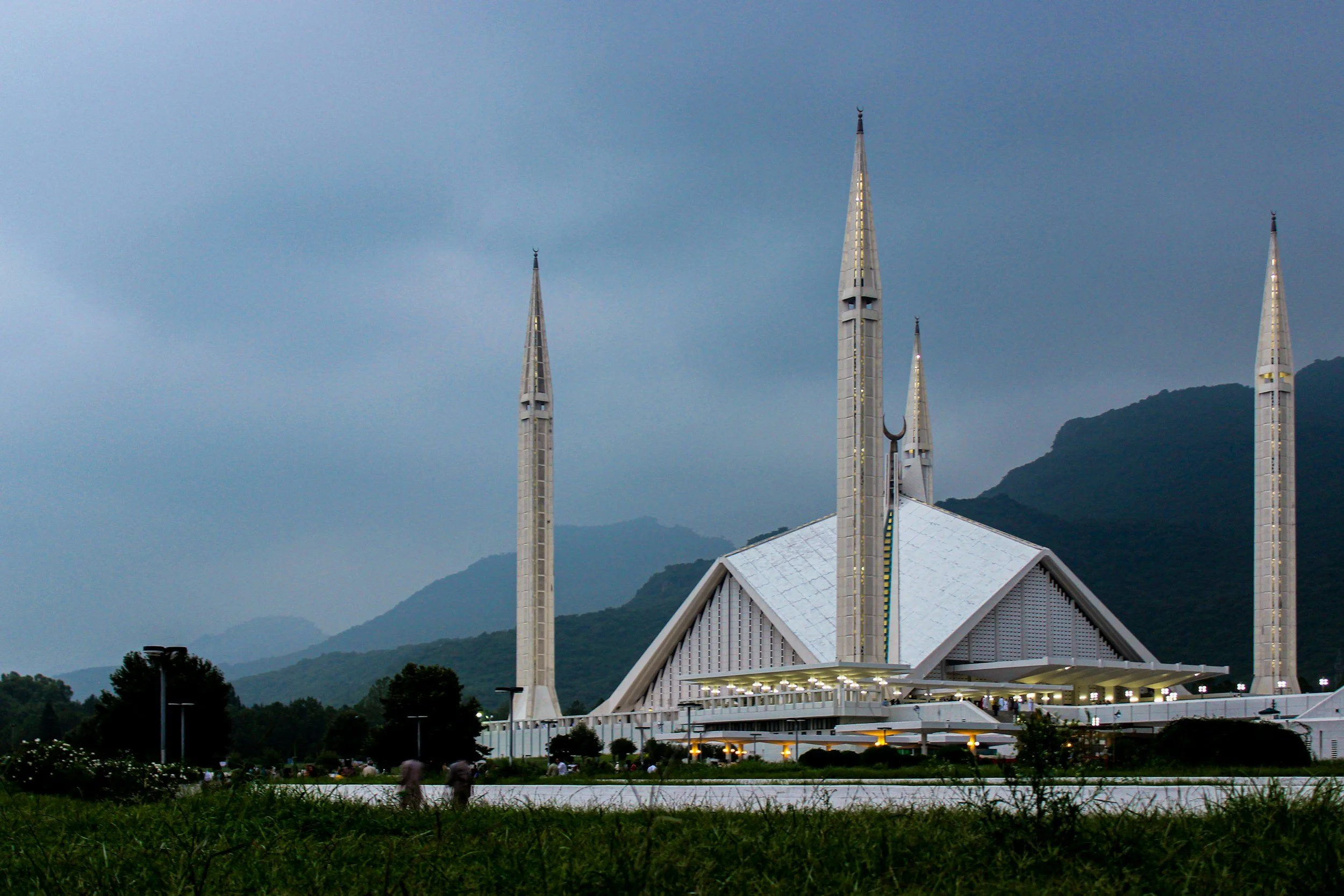

Pakistan has security cooperation with both China and the U.S., but increasingly leans on China for loans and investment, even as it faces a worsening security situation.
India is being outmaneuvered by China in its backyard and on its borders, but it is also affected by tariffs and sanctions over Russia from the U.S., undermining its autonomy.
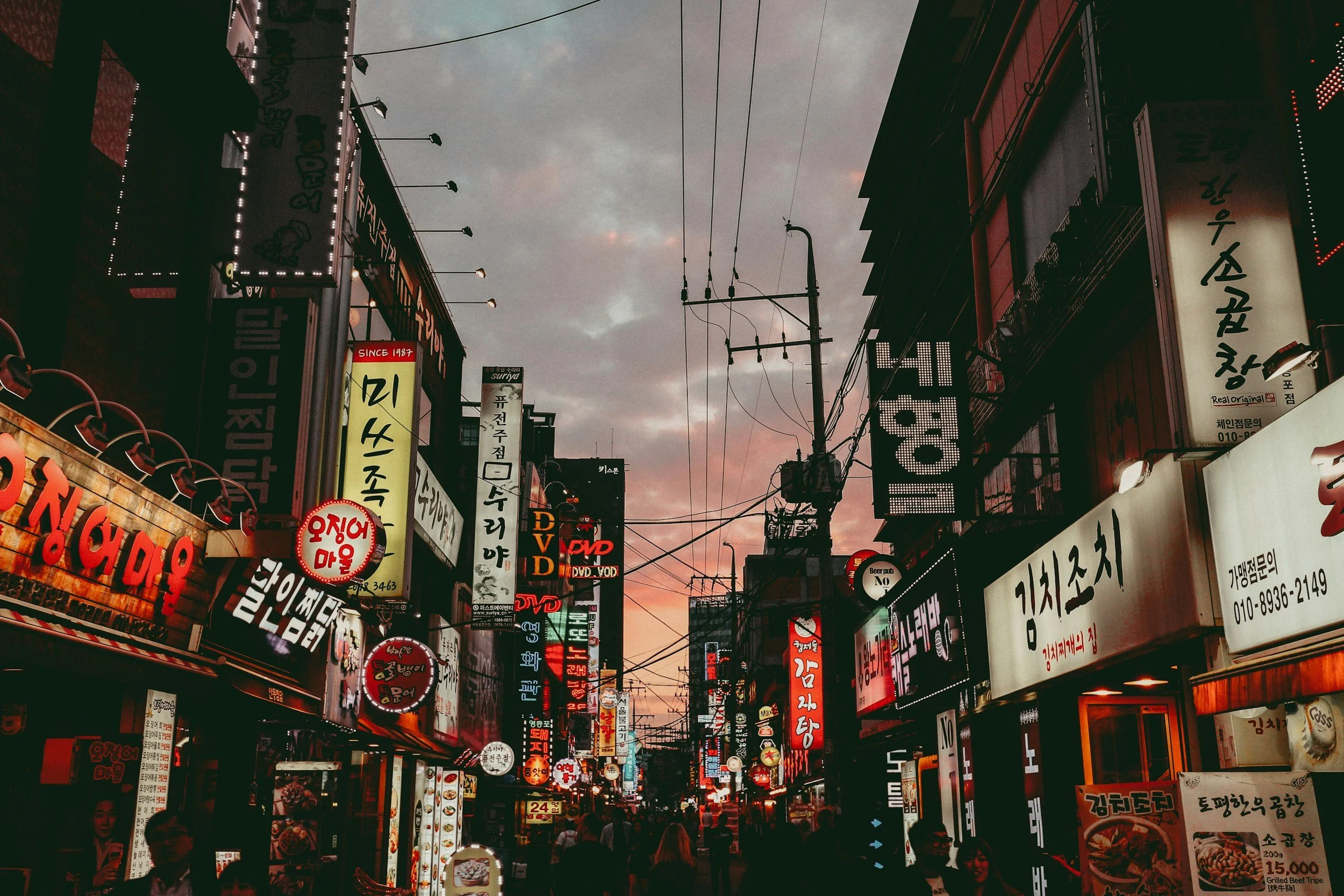
South Korea is increasingly faced with Chinese competition for its high-tech exports, while the U.S. alliance has failed to lead to a resolution to the North Korea issue.
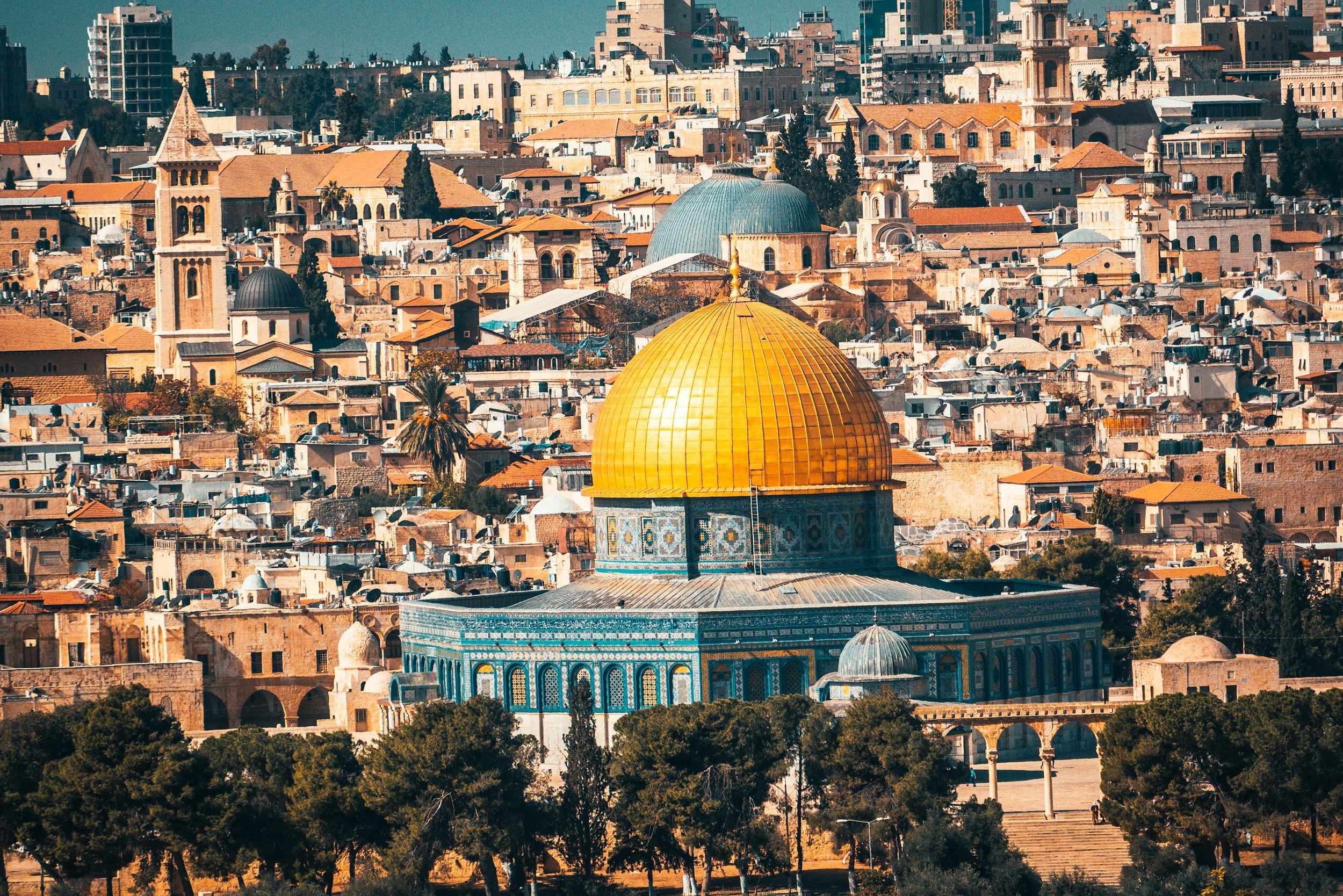
Israel’s alliance with the U.S. is under strain while it is facing isolation in the Middle East, and China investment and trade has fallen due to the Palestine and Iran conflicts.
Highly Imbalanced
Highly imbalanced countries are structurally aligned with one great power, which leads to conflict or existential threat from other great powers and/or eliminates room for maneuvering in such a way that domestic competitiveness and prosperity is weakened.

Japan faces rare earth restrictions and export sanctions from China, while the U.S. has tariffed Japanese goods and effectively controls its military decision-making.
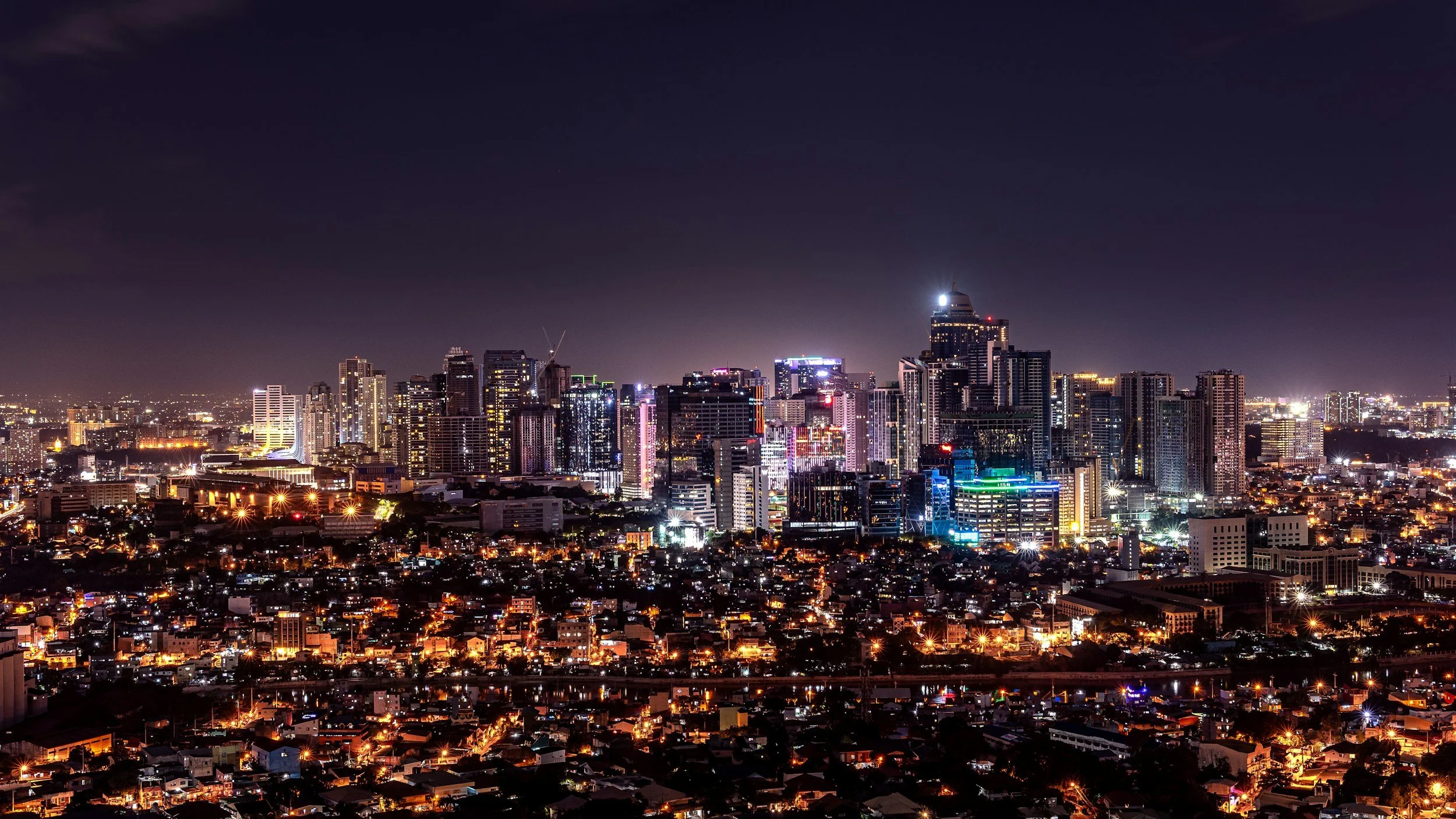
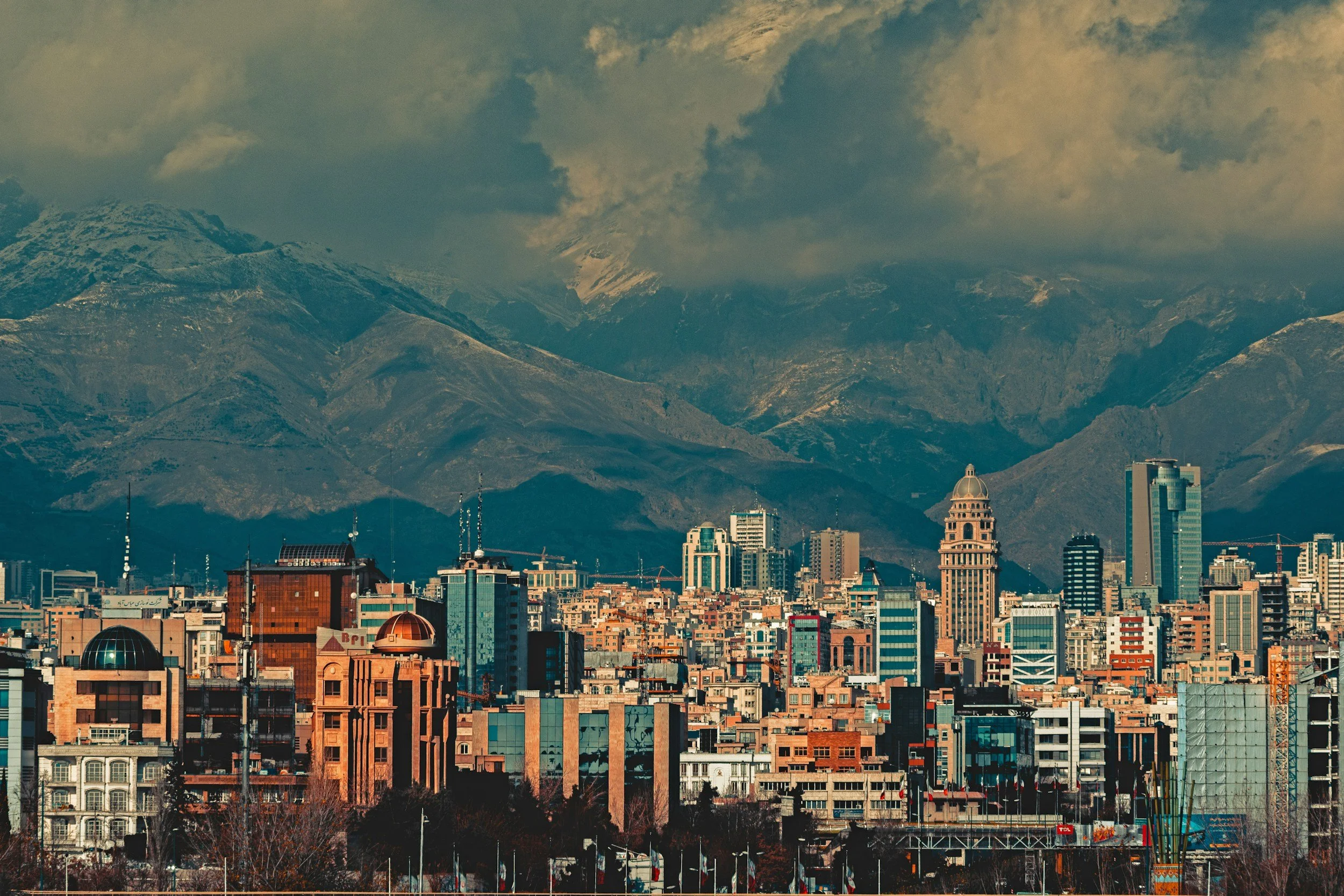
The Philippines has had persistent border conflicts with China that are affecting its trade and economic development relative to other Southeast Asian countries.
Myanmar’s civil war has left it isolated from much of the world, leaving the military junta reliant on China for diplomatic legitimacy, trade, and rare earths investment.

Iran is locked in a brutal war with the U.S., but its alliances with China and Russia are not providing enough support to stop its economy from nearing internal collapse.