TSMC, SMIC, and the Global Chip War
China's SMIC and Taiwan's TSMC are caught on opposite sides of the "Global Chip War." TSMC, despite having extensive commercial ties in the Mainland, is a beneficiary of U.S. efforts to stifle competition from Mainland competitors like SMIC. Geopolitical considerations, therefore, are increasingly influencing TSMC’s business decisions, as shown by TSMC’s construction of fabs in Japan and the United States despite founder Morris Chang’s longstanding opposition to overseas fabs due to their high costs. SMIC, meanwhile, is the Mainland’s best hope for creating a “red chip supply chain” and achieving 70% semiconductor self-sufficiency via domestic suppliers, which has taken on even more importance due to U.S. sanctions on advanced chips for AI model development. This article analyzes SMIC founder Richard Chang’s dream of building a red chip giant on the Mainland that can rival or even replace TSMC, which will directly conflict with Chang's former co-worker and fellow Taiwanese Morris Chang’s dream of solidifying TSMC and Taiwan’s position as the irreplaceable center of the semiconductor industry well into the 21st century.
Corporate Governance, Chinese Characteristics
China's tech companies are making waves with their recent achievements, including a "trifold" phone from Huawei and the revolutionary AI reasoning model from DeepSeek. Much discussion has centered on the founders of these companies and their ability to gain an edge on American rivals. But what is less appreciated or understood among foreign analysts of China’s tech giants is the role that innovation and transformation in corporate governance and organizational structure has played in these companies’ successes. Moreover, there are unique aspects of these companies from a corporate governance perspective that are not commonly seen in tech companies in other parts of the world or even within China itself. For instance, Huawei is 99% employee owned, while Alibaba is primarily governed by an "Alibaba Partnership." These unique corporate structures have arisen due to several factors, including the rapid changes to China’s regulatory landscape over the past three decades, distinct characteristics of Chinese business culture, geopolitical tensions and preoccupations with national security, and the “socialism with Chinese characteristics” model. In this article I overview some of the more distinctive corporate governance mechanisms of four Chinese tech companies: Huawei, Alibaba, Bytedance, and DeepSeek, and explain why these structures were adopted instead of more conventional alternatives.

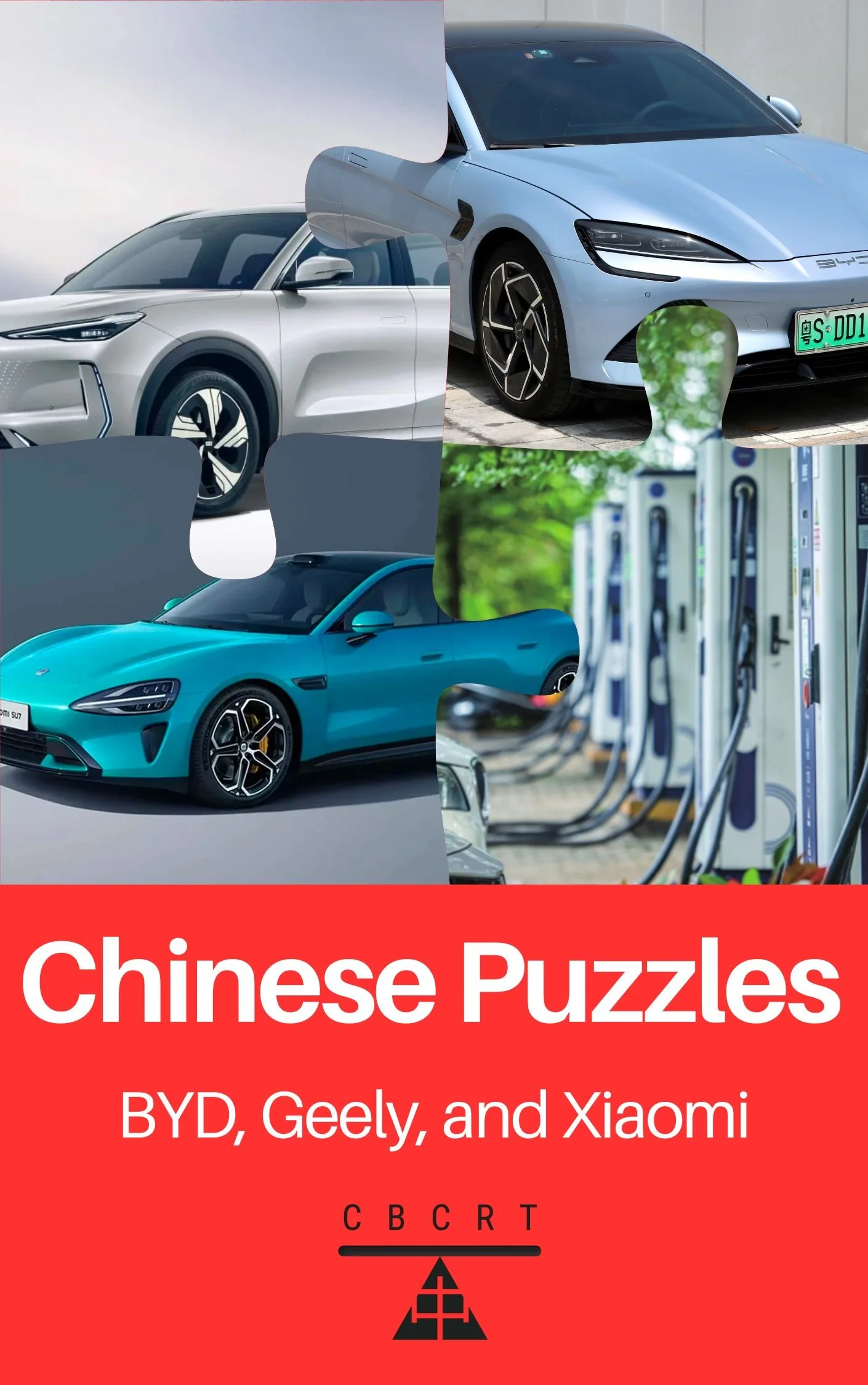
Chinese Puzzles: Behind BYD, Geely, and Xiaomi
Endless hand-wringing and foreign scrutiny over “price wars” and “overcapacity” in China’s EV market from foreign analysts fails to grasp the sheer complexities of China’s EV industry, in which different companies pursue diverse pathways to profitability and long-term success. Arguably, many overseas observers are mentally trapped in what can be described as a “Chinese puzzle.” The gist of the puzzle is: If China’s EV companies all benefit from low labor costs, subsidies, government support, allegedly lax environmental and labor regulations, and access to China’s much-vaunted EV supply chain, then why is it that BYD, Geely, and to a lesser extent Xiaomi have been able to build such a massive lead over the rest of the field? What enables these companies to initiate or sustain punishing price wars year after year while many foreign automakers are jacking up their own prices in other parts of the world? Above all, what has enabled these companies to stand out from the over 100 EV brands in China, particularly given that none of them are state-owned “national champions?” This article will seek to answer these questions, while also digging deeper into partial solutions that have been offered such as BYD’s high level of vertical integration.
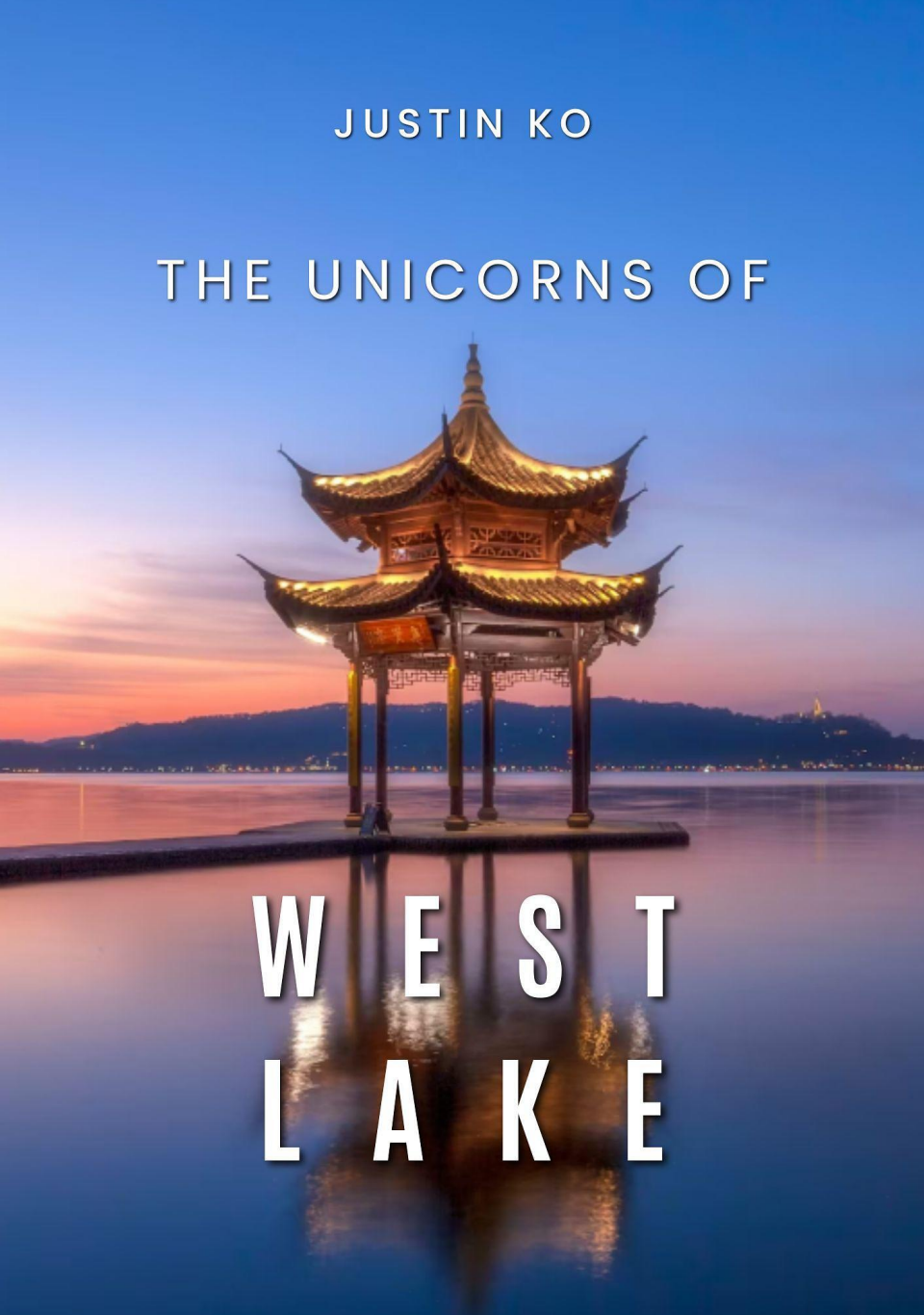
The Unicorns of West Lake
Hangzhou has emerged as the latest rival to Silicon Valley in China. With the rise of Hangzhou tech companies like DeepSeek and Unitree, as well as the continued dominance of longstanding tech giants like Alibaba, Hangzhou is now more known for its tech industry than its famous "West Lake" scenery. However, while all of the leading tech companies from Hangzhou are privately owned, the contributions from government policy to their success is less known outside of China. Thus, in this paper, I endeavor to explain how several "unicorns" from Hangzhou, namely Game Science, Unitree, and BrainCo, were able to scale up and achieve international acclaim in large part due to favorable local policies to nurture the tech ecosystem of the city.