Iron Ladies: Sanae Takaichi and Asia's Female Leaders
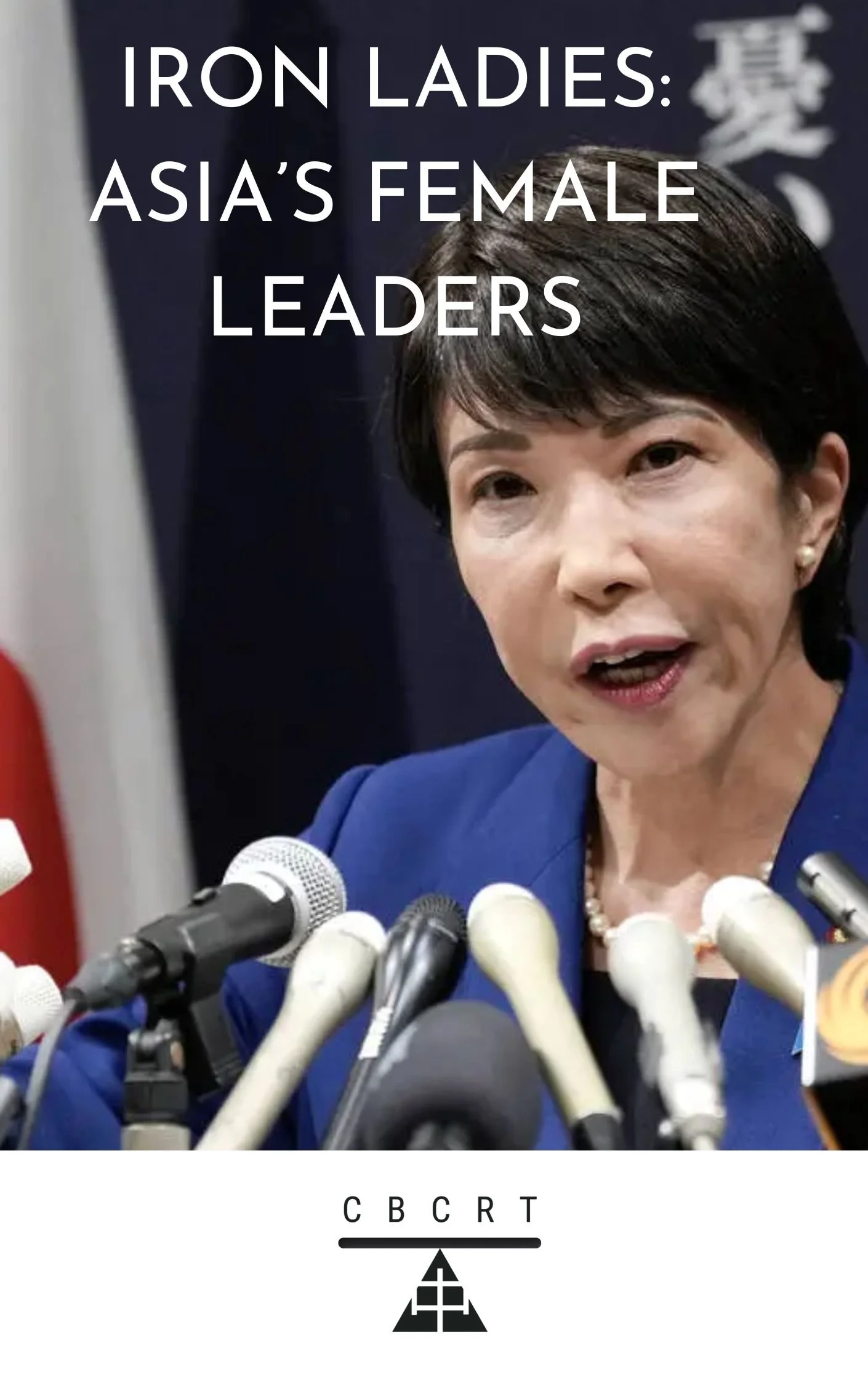
When the conservative-leaning Sanae Takaichi became the first female Prime Minister in Japanese history in October 2025, the parallels between Takaichi and Margaret Thatcher were all too easy to draw. Takaichi herself embraced Thatcher as a role model, and she reportedly admires Thatcher’s “strong character and convictions” as well as “womanly warmth.” Like Thatcher, Takaichi’s relatively humble background as the daughter of a police officer and car company employee stands out given that her political party is studded with the descendants of Japanese political dynasties. Takaichi is also similar to Thatcher in that she is a social conservative who is skeptical of same-sex marriage and of allowing married women to keep their maiden names. But Takaichi is in fact the exception to the rule for female leaders in Asia, whose political views tend to be scattered across the political spectrum. Instead, what unifies most Asian female leaders is their membership in political dynasties, either hereditary or party-based (with Takaichi being an example of the latter). Thus, it is premature to make inferences about the state of gender equality or politics in Asia from Takaichi's victory.
Confucian Impeachment: The Case of South Korea
South Korea stands out as the only East Asian country where two presidents have already been impeached by the Constitutional Court of Korea and removed from office. The latest impeachment occurred in April 2025, when former President Yoon Suk-yeol was removed from office after declaring martial law in December 2024. What is even more remarkable is that Yoon’s impeachment occurred only eight years after the impeachment of President Park Geun-hye, which was the first time in Korean or East Asian history that a leader was removed in such an institutional manner. Arguably, the Constitutional Court’s decision in Yoon’s impeachment affirms South Korea’s unique status as one of the rare Asian countries where top courts are willing and able to remove leaders from office. This has led some scholars to argue that Korea's Confucian heritage has been cast aside, as Confucianism is regarded as incompatible with judicial review and impeachment. However, other scholars, such as Sungmoon Kim, argue that even impeachment is not incompatible with Confucianism when analyzed from the unique Korean judicial and cultural context. In this article I apply Kim's arguments to Yoon's impeachment and also compare the status quo of "Confucian constitutionalism" in South Korea and Mainland China to derive relevant conclusions.