Copycats to Creators: Labubu and China's New IP Strategy
After decades of being maligned by foreigners for copying or stealing foreign IP, China and its companies are increasingly trying to emphasize innovation and domestically owned IP in its economy. In 2023, for example, the Chinese government announced that China would “strive to create domestic and international well known brands, improve the brand cultivation and development mechanism, and create Chinese boutique and “century-old stores.” Several Chinese companies have responded to these calls from the government to develop globally renowned brands by eschewing the non-exclusive licensing or distributing model of the past and embracing a more collaborative or innovative IP strategy while reaping the rewards of increased revenues and a higher international profile. This article highlights some prominent examples of this "new IP strategy," including Labubu/Pop Mart, Anta Sports, Mihoyo, Xiaomi, Black Myth Wukong, and the 3-Body Problem. While the specific methods in which these companies use and acquire IP differ, what they have in common is that they are highly involved in commercializing the IP not just in China but across the world, which is different from the regional distributor or licensor arrangement of Chinese firms in the past.
China's Big Four Banks: ICBC, BOC, ABC, and CCB
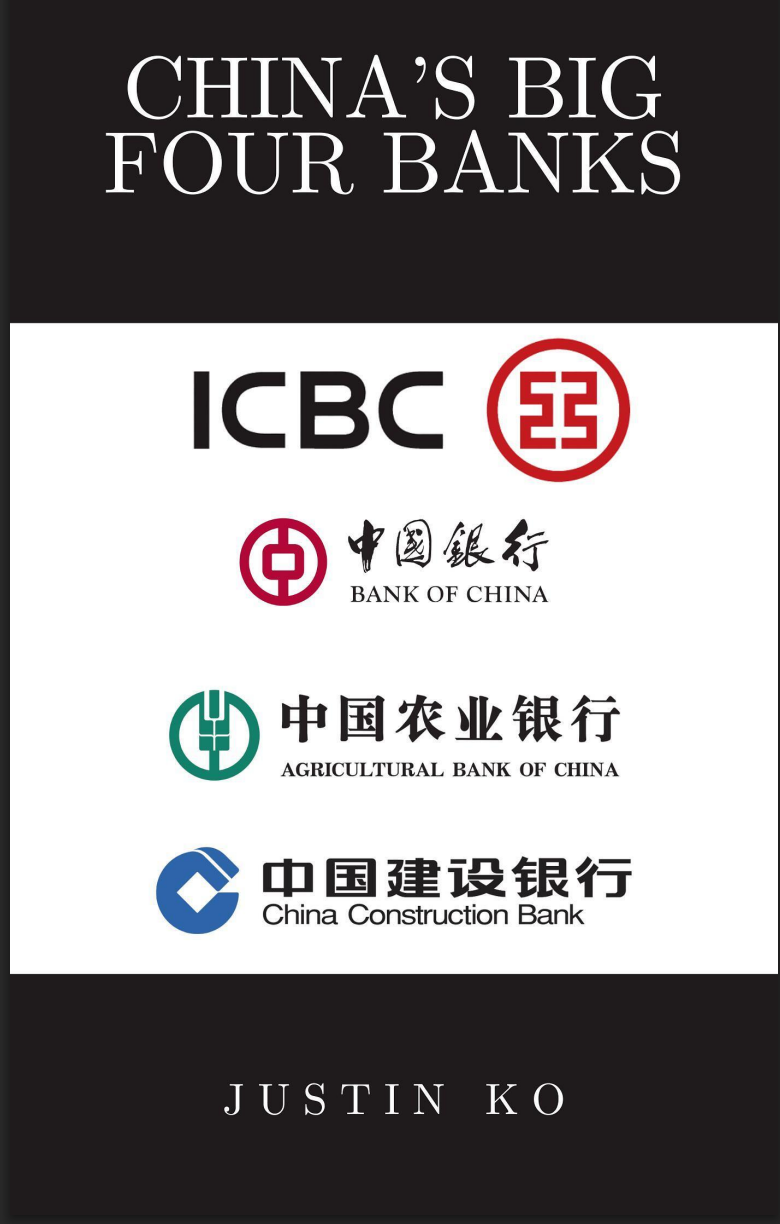
Despite being a “socialist” country, China has developed an immense banking and financial sector. In particular, the “Big Four” state-owned banks of China (ICBC, BOC, ABC, and CCB) dominate the banking sector of the world’s second-largest economy. ICBC is the world's largest bank by assets and it boasts over US$220 billion in annual revenues. While there are other banks besides the Big Four active in China, the largest of which are the Bank of Communications and China Merchants Bank, these banks have much smaller scale than the Big Four at less than US$80 billion in annual revenues each. Therefore, any discussion of China’s banking and financial sector starts with the Big Four. Yet, the Big Four are somewhat inscrutable to most foreigners as their business activities are mostly limited to the China market. This article endeavors to pull back the curtain of four of the world's largest financial institutions while explaining their significance to China's industrial policy.

Luckinomics: The Global Expansion of Chinese F&B Chains
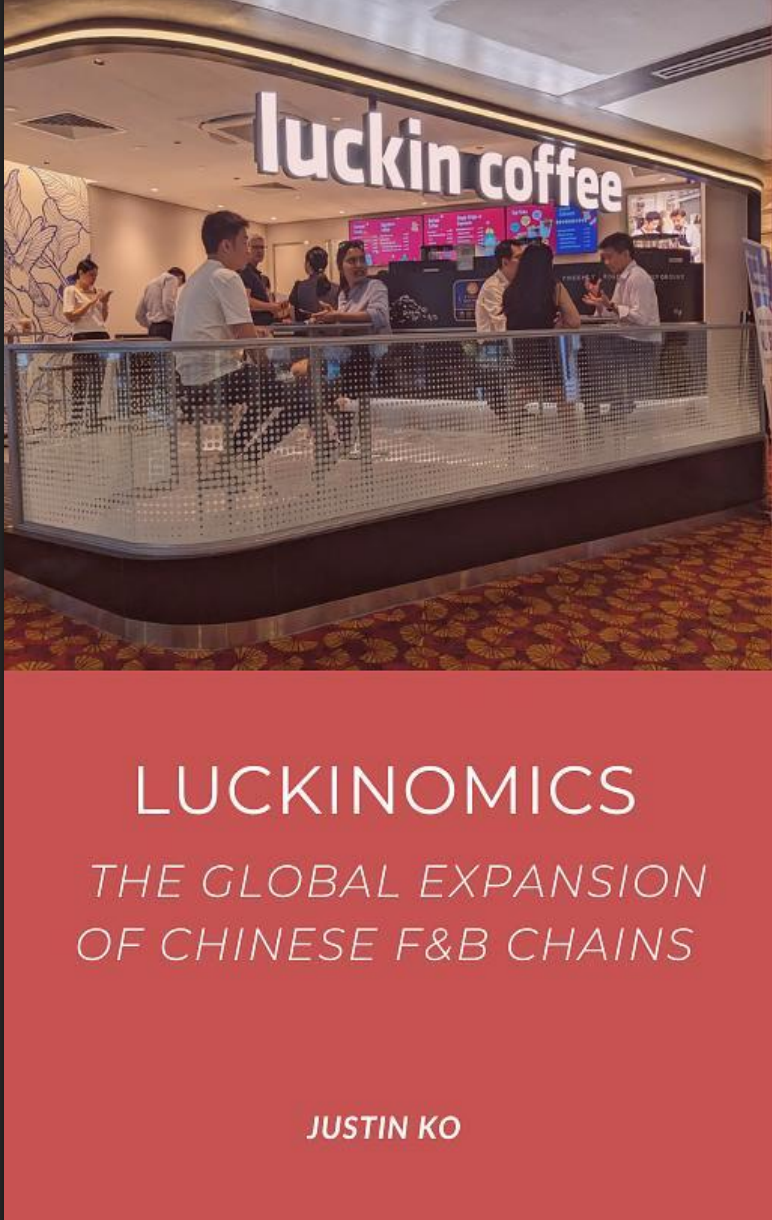
Since the food and beverage industry is neither politically sensitive nor highly significant to any country’s industrial policies, the popularity of chains like Luckin, Mixue, and Haidilao outside of Mainland China cannot be explained by a given country or region’s affinity for China from a geopolitical standpoint. At the same time, low cost cannot fully explain the popularity of Chinese F&B Chains either given that the items they sell like tea drinks and hot pot are not considered to be staple food items. Furthermore, China’s cultural soft power and media influence in Asia tends to be much weaker than that of the U.S., Japan, or South Korea. Thus, the fact that brands like Mixue and Haidilao are steadily breaking through in many regional markets that are otherwise skeptical of Chinese influence is a trend worth analyzing. This article attempts to sketch out some of the common advantages that Chinese F&B chains are able to leverage in expanding to other parts of the world, especially in Southeast Asia.
The Mystery of Moutai: State-owned Enterprises in China
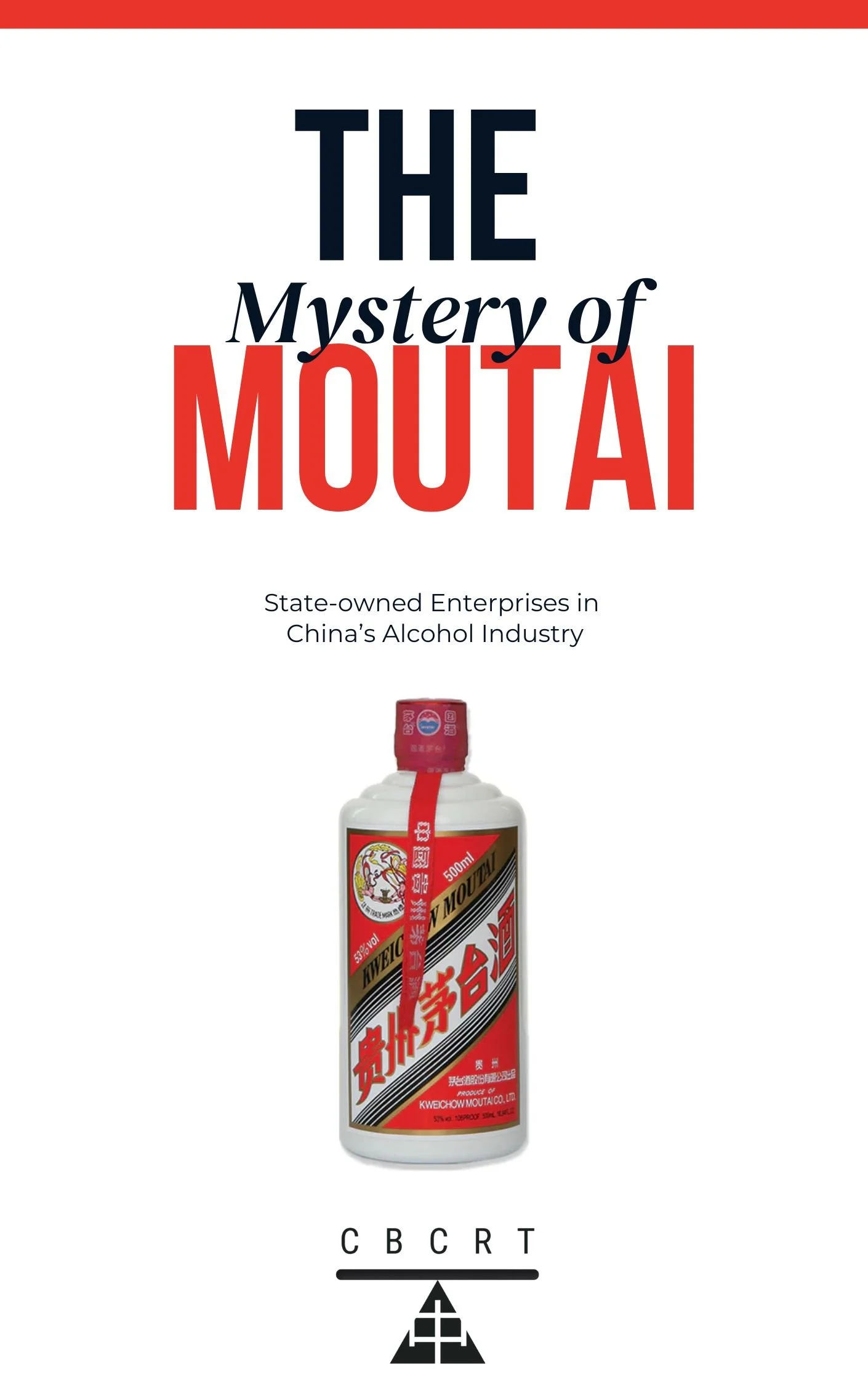
As one of China’s most valuable and high-profile SOEs, with a market capitalization of approximately US$250 billion, Kweichow Moutai presents a fascinating case study into the complex political and economic dynamics of listed state-owned enterprises (SOEs) in China. This is because, according to conventional economic theory, SOEs are invariably less efficient and less productive than private firms. Moutai’s success challenges the received wisdom behind this theory, which is fitting since Moutai brands itself as “the world’s most mysterious liquor.” Yet, the company’s success has also emboldened its management to make “investments” that are far outside its normal business operations, which in many respects resemble public interest donations rather than profit-oriented investments. Thus, this article seeks to explain why these unique features of the company exist and also how the company has been able to buck the trend of SOEs being inefficient and unable to compete against private firms.